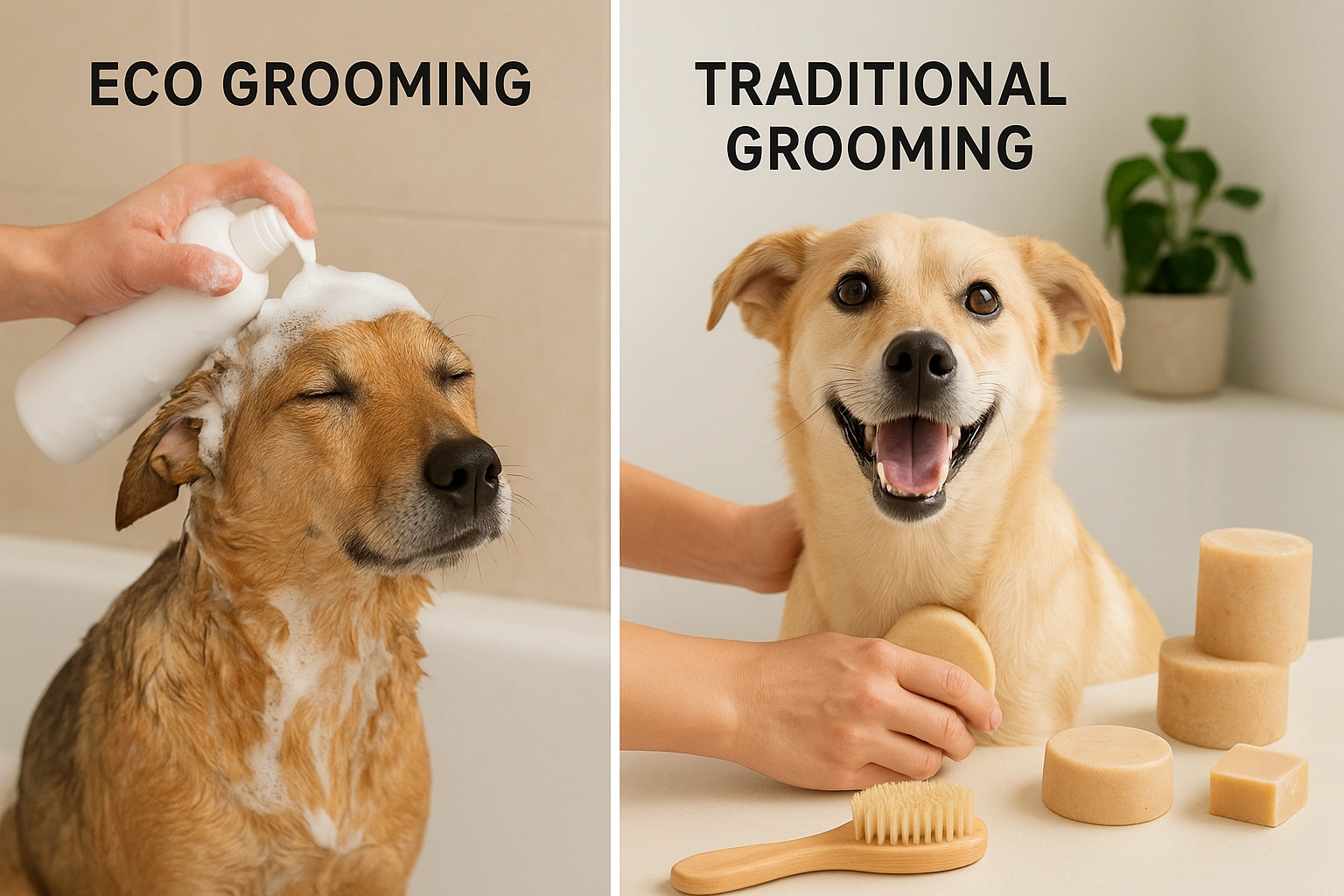
A complete breakdown of the products, practices, and philosophies that separate green grooming from the conventional approach.
Introduction
When it’s time for your pet’s spa day, you’re faced with more choices than ever before. The growing discussion of Eco Grooming vs Traditional Grooming makes many owners pause and consider what really matters in caring for their pets.
The grooming industry is evolving, and a major question has emerged for conscientious pet owners: should you stick with what’s familiar or make a greener choice? Eco Grooming vs Traditional Grooming highlights this decision by showing how habits and priorities are changing.
The debate of Eco Grooming vs Traditional Grooming is about more than just shampoo; it’s about health, ethics, and environmental impact. Pet owners today recognize that Eco Grooming vs Traditional Grooming is a reflection of their values as much as their pet’s care.
This guide will provide a clear, in-depth comparison to help you make the best decision for your furry friend and your values, with Eco Grooming vs Traditional Grooming as the framework for choosing wisely.
Defining the Two Approaches
At first glance, both grooming styles aim for the same result: a clean, happy pet. Yet when you look closer, Eco Grooming vs Traditional Grooming shows that their methods and philosophies are very different.
Traditional Grooming is the conventional method most pet owners are familiar with, often focused on efficiency and cosmetic results. In the context of Eco Grooming vs Traditional Grooming, this approach represents the familiar side—widely available, mass-produced products that emphasize speed over sustainability.
The focus is on getting the pet clean and styled effectively, usually with chemical-based shampoos and conditioners that create rich lather and strong fragrance. Eco Grooming vs Traditional Grooming makes it clear that while this method achieves quick results, it contrasts sharply with the gentler, eco-conscious alternative.
In the bigger picture, Eco Grooming vs Traditional Grooming is not just about cleaning but about what values you want to prioritize: convenience and appearance, or long-term health and environmental care.
Eco Grooming, on the other hand, is a holistic approach centered on sustainable pet hygiene. It considers the entire lifecycle of the products used, from ingredient sourcing to disposal, and prioritizes the well-being of the pet’s skin and the planet. According to a Google Trends analysis, searches for “sustainable pet products” have increased by over 150% in the last five years, signaling a major shift in consumer priorities.

The Core Differences: A Head-to-Head Comparison
Let’s break down the key areas where these two grooming styles diverge.
Product Ingredients: Chemicals vs. Botanicals
This is the most significant difference. Traditional shampoos often contain sulfates for lather, parabens as preservatives, and artificial fragrances and dyes. While effective at cleaning, these can strip natural oils and cause skin irritation. Eco-grooming products use plant-based cleansers (like coconut-derived surfactants), natural preservatives (like vitamin E), and essential oils for scent.
Environmental Impact: Waste vs. Sustainability
Traditional grooming contributes significantly to plastic waste through single-use bottles. The chemical runoff from these products can also harm aquatic ecosystems. Eco-grooming focuses on:
- Minimalist Packaging: Using recycled materials, or better yet, package-free options like shampoo bars.
- Biodegradable Formulas: Ingredients that break down harmlessly in the environment.
- Water Conservation: Promoting techniques and tools that reduce water usage during baths.
Pet Health & Safety: Potential Irritants vs. Hypoallergenic Care
Because of the harsh detergents, traditional products can sometimes lead to dryness, itching, and allergic reactions. The gentle, hypoallergenic nature of eco-friendly products makes them a safer choice, especially for pets with sensitive skin, puppies, and seniors. Understanding your pet’s unique needs, much like understanding the nuances of a system like the one described at weton.biz.id, is crucial for their long-term health.
At a Glance: Eco Grooming vs Traditional Grooming
This chart provides a clear visual summary of the key distinctions.
| Feature | Traditional Grooming | Eco Grooming |
|---|---|---|
| Key Ingredients | Sulfates, Parabens, Artificial Fragrances | Plant-based cleansers, Essential Oils, Botanicals |
| Skin Impact | Can be drying and irritating for some pets | Gentle, soothing, and hypoallergenic |
| Packaging | Primarily single-use plastic bottles | Recycled, recyclable, or package-free options |
| Environmental Footprint | High plastic waste, chemical runoff | Low waste, biodegradable formulas |
| Cost | Generally lower upfront cost | Can be higher, but often more concentrated |
Making the Switch: Is It Worth It?
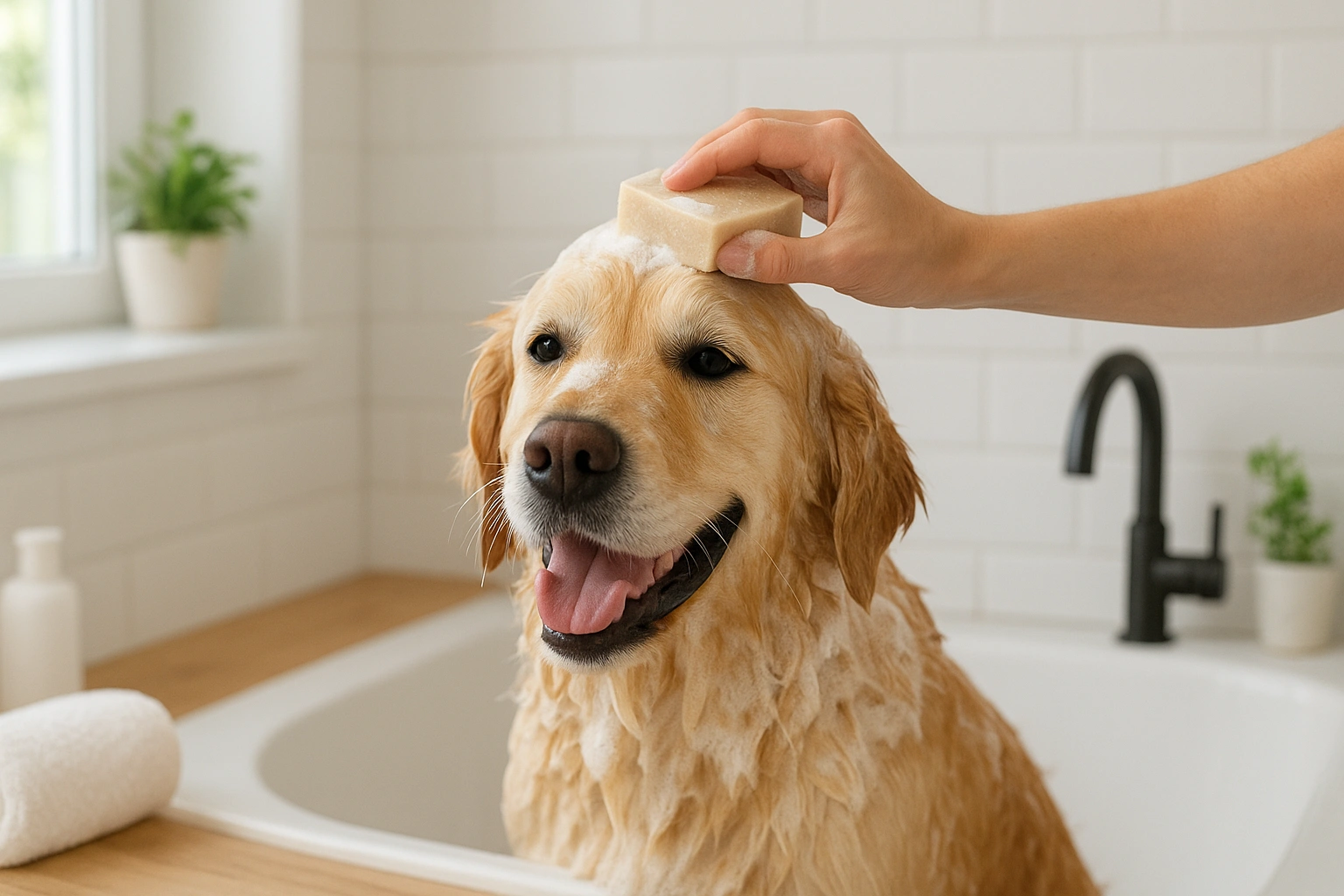
I recently switched my own dog from a well-known traditional brand to a natural shampoo bar. The first thing I noticed was the lack of overwhelming lather, which initially made me question if it was working. However, after rinsing, his coat felt incredibly clean but not “squeaky” — a sign that its natural oils hadn’t been stripped away.
After a month, his coat was shinier, and the minor skin redness he used to have was gone. The bar itself has lasted longer than two bottles of his old shampoo, making the higher initial cost a non-issue in the long run.
Common Myths Debunked
| Myth | Fact |
|---|---|
| “Natural products aren’t as effective at cleaning.” | Plant-based cleansers like saponified coconut oil are excellent at removing dirt and grease without being harsh. The lack of heavy lather doesn’t mean a lack of cleaning power. |
| “Eco grooming is always more expensive.” | While some boutique brands are pricey, options like shampoo bars are highly concentrated and last much longer than liquid shampoos. DIY options can be even cheaper. |
| “If it’s sold in a pet store, it must be safe.” | The pet product industry is not as tightly regulated as human cosmetics. It’s up to the consumer to read labels and make informed choices. The team at Wired has a great guide on this. |
Expert Tips for Choosing the Best Approach
We consulted with Dr. Evelyn Reed, a veterinarian with a focus on dermatology, for her professional opinion.
“The rise of eco-grooming is a direct response to the skin issues I see daily. For pets with allergies, sensitivities, or chronic dry skin, switching to a gentle, sulfate-free, and fragrance-free routine can be transformative. It supports the skin’s natural microbiome instead of disrupting it.”
– Dr. Evelyn Reed, DVM
Her advice for pet owners:
- Read the Label, Not the Hype: Look for a short list of recognizable ingredients.
- Consider Your Pet’s Needs: A dog with a thick, oily coat might need a different formula than a dog with fine hair and dry skin.
- Don’t Be Afraid to DIY: A simple oatmeal shampoo can be more beneficial than a complex chemical formula.
- Transition Slowly: If you’re switching, give your pet’s skin and coat a few weeks to adjust.
Frequently Asked Questions (FAQ)
Q: What are sulfates and why should I avoid them?
A: Sulfates (like Sodium Lauryl Sulfate) are harsh detergents that create a lot of lather. They are very effective at stripping oil, but can be too harsh for a pet’s sensitive skin, leading to dryness and irritation.
Q: Do eco-friendly shampoos work for very dirty or smelly dogs?
A: Yes. Look for formulas with natural deodorizers like baking soda, charcoal, or certain clays. They clean effectively without relying on heavy perfumes to mask odors.
Q: Can I just use water to wash my dog?
A: While a simple rinse is great for removing surface dirt, it won’t break down oils or remove deep-seated grime. A gentle, eco-friendly shampoo is necessary for a thorough clean.
Conclusion
The choice in the Eco Grooming vs Traditional Grooming debate ultimately comes down to your priorities. Looking at Eco Grooming vs Traditional Grooming helps highlight whether you value convenience or long-term sustainability for your pet.
While traditional grooming offers familiarity, Eco Grooming vs Traditional Grooming shows that the greener option provides a healthier path for skin, home, and planet. It makes clear that Eco Grooming vs Traditional Grooming is about more than style—it’s about overall well-being.
By understanding the key differences in ingredients and impact, you can make an informed choice that aligns with your values and gives your pet the gentle, effective care they deserve. Eco Grooming vs Traditional Grooming is the lens through which to decide what truly matters.
Which approach do you lean towards? Share your perspective on Eco Grooming vs Traditional Grooming in the comments below!