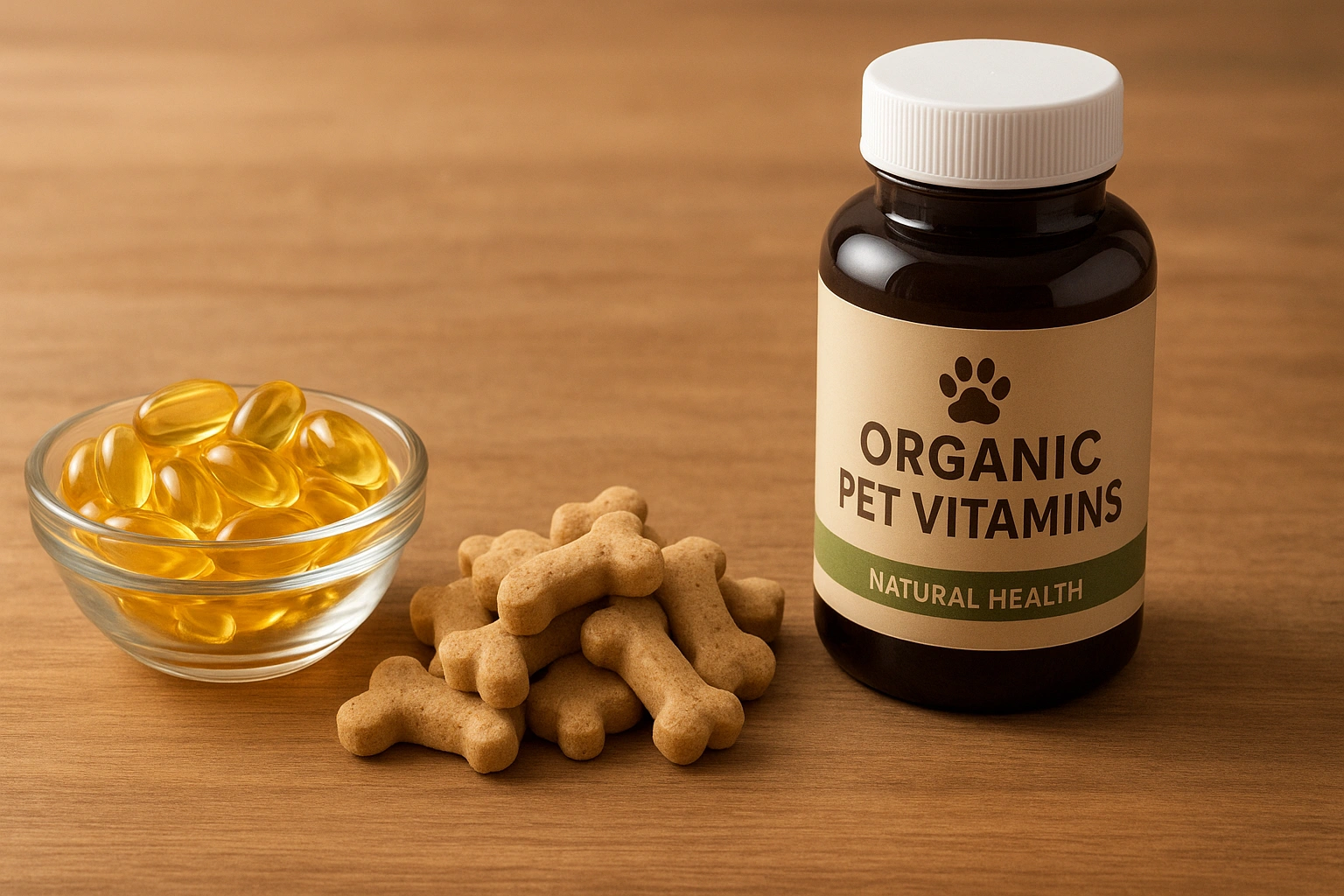
From joint support to a shinier coat, discover how the right organic vitamins and supplements can transform your pet’s health.
Introduction
As pet parents, we strive to give our companions the longest, healthiest lives possible. While a balanced diet is the foundation of good health, sometimes it isn’t enough to cover specific needs like aching joints or a dull coat. This is where the growing world of Natural Pet Supplements offers real solutions that can fill important nutritional gaps.
Natural Pet Supplements are designed to provide extra support when food alone isn’t sufficient, making them a practical choice for proactive pet care. From joint relief to improved skin and coat, they bring targeted benefits that everyday diets may not deliver.
This guide will walk you through the essentials of Natural Pet Supplements, helping you understand how to use them safely and effectively. By learning how Natural Pet Supplements work, you can choose the right options that truly enhance your pet’s unique wellness journey.
What Are Natural Pet Supplements?
Natural Pet Supplements are products containing concentrated ingredients like vitamins, minerals, herbs, or beneficial compounds such as omega-3s that come from whole-food sources. Many pet owners turn to Natural Pet Supplements to provide an extra layer of support beyond daily nutrition.
They are designed to complement a pet’s regular diet and target specific health needs, from joint mobility to digestive balance. Because Natural Pet Supplements are tailored for particular functions, they can make a noticeable difference in your pet’s overall wellness.
Unlike synthetic vitamins that are created in a lab, Natural Pet Supplements and organic vitamins are derived from real food sources. Supporters believe this makes them more bioavailable and easier for a pet’s body to recognize, absorb, and use effectively.
The pet supplement industry is experiencing massive growth, expected to exceed $1 billion in the US by 2027, according to Statista. This trend is fueled by owners seeking proactive, preventative ways to manage their pets’ health, from puppyhood through their senior years.
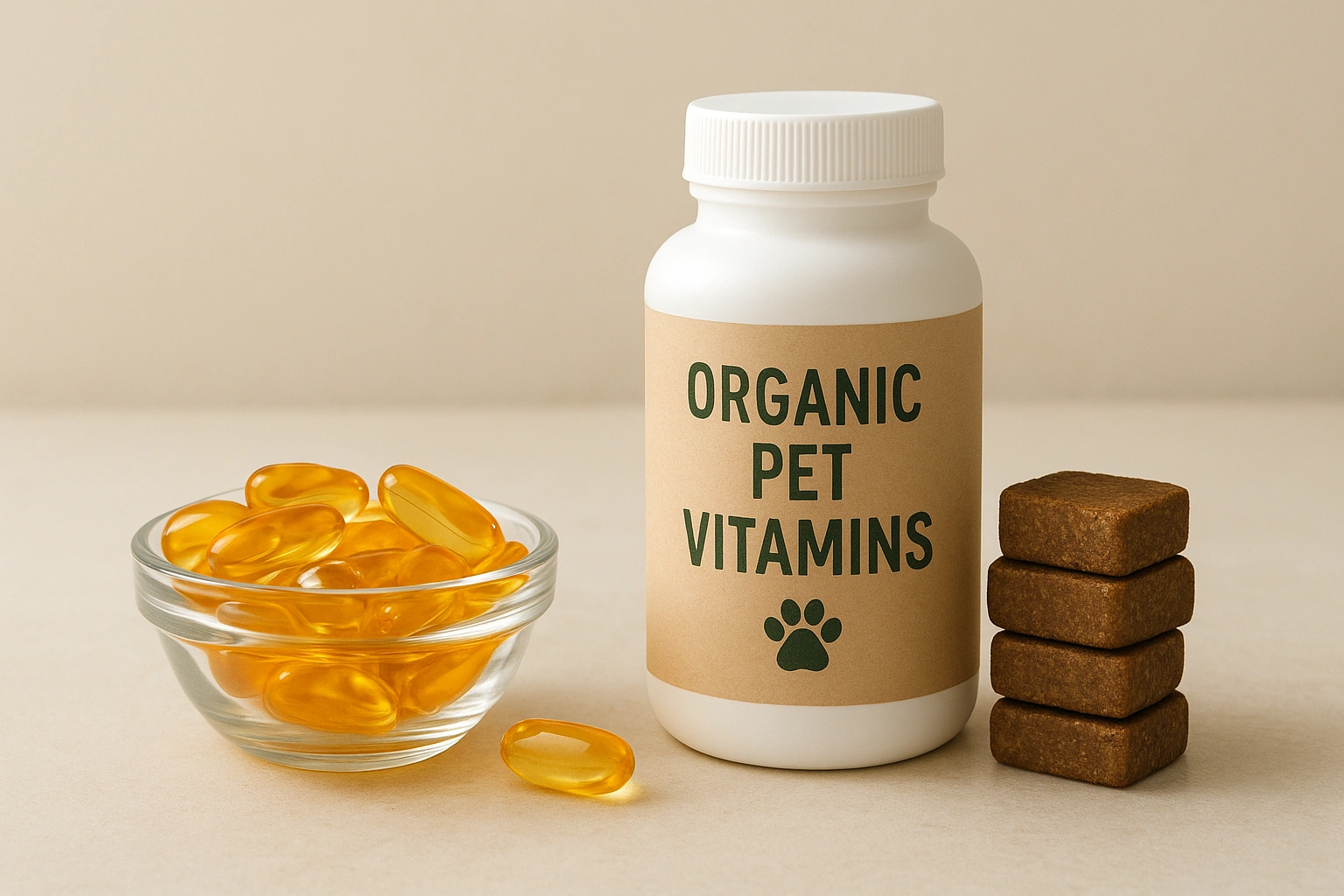
Why It Matters: The Benefits of Targeted Supplementation
When used correctly, natural supplements can be a powerful tool in your pet wellness toolkit.
Supports Joint Health and Mobility
This is one of the most common reasons owners turn to supplements. Ingredients like glucosamine, chondroitin, and turmeric can help reduce inflammation, support cartilage health, and improve mobility in aging or arthritic pets.
Enhances Skin and Coat Health
Omega-3 fatty acids, found in fish and flaxseed oil, are superstars for skin and coat. They can reduce shedding, alleviate dryness and itching, and give your pet’s coat a beautiful, healthy shine.
Promotes Healthy Digestion
Probiotics and prebiotics are essential for a healthy gut microbiome. They can help with issues like gas, diarrhea, and constipation, and they play a crucial role in the immune system. A deep understanding of these systems is key, a truth that applies to many fields, including the study of cultural traditions like those at weton.biz.id.
How to Choose a High-Quality Supplement
The supplement market is largely unregulated, making it crucial for consumers to be discerning. Here’s how to separate the good from the bad.
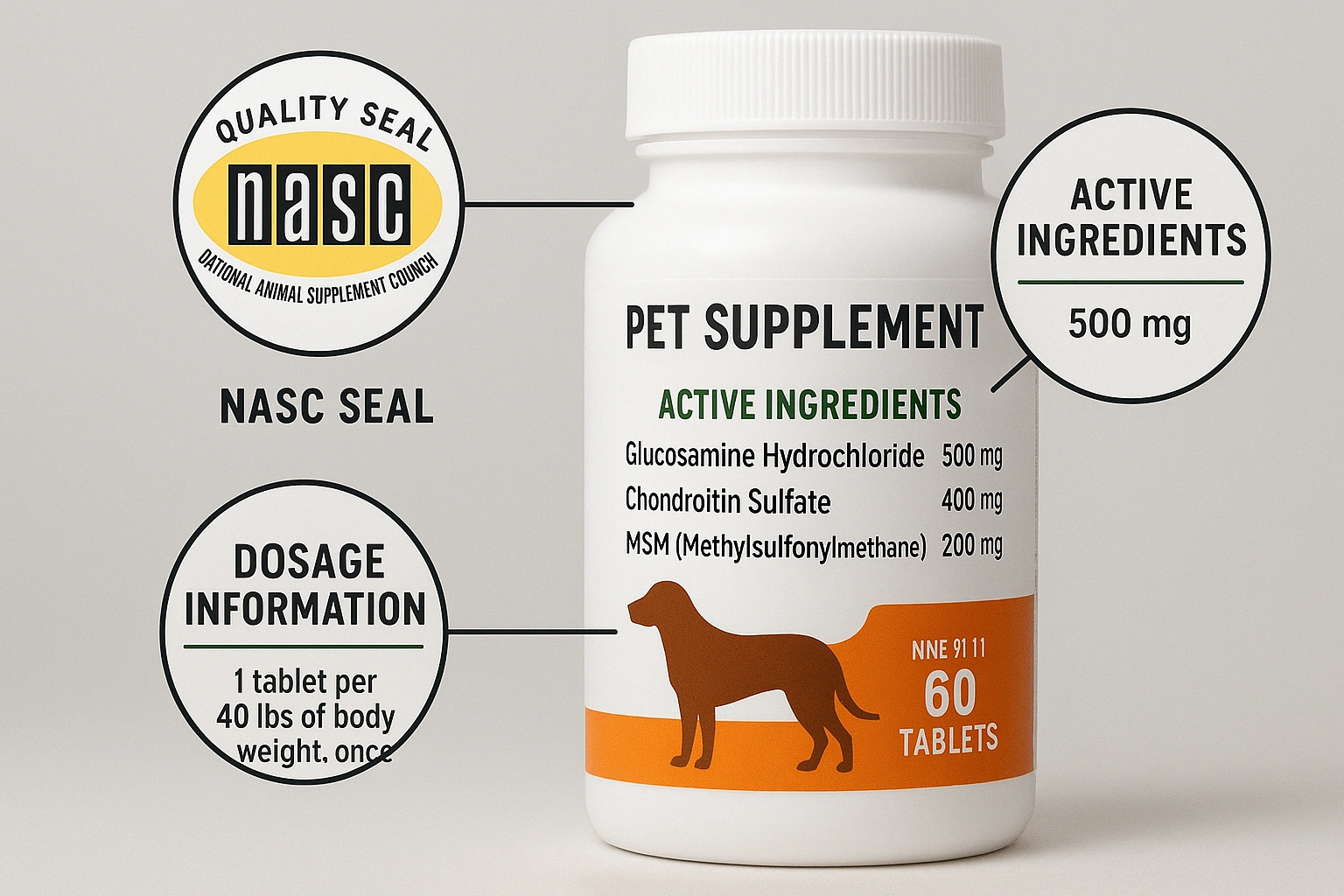
- Look for the NASC Quality Seal: The National Animal Supplement Council (NASC) seal means the manufacturer has undergone a rigorous third-party audit for quality control and labeling accuracy.
- Check for Third-Party Testing: Reputable brands will often have their products tested by an independent lab to verify potency and purity.
- Read the “Active Ingredients” List: This tells you exactly how much of the beneficial compound (e.g., mg of Glucosamine) is in each dose.
- Avoid Fillers and Artificial Additives: A good supplement won’t contain unnecessary fillers like corn or soy, or artificial colors and flavors.
Real-Life Test: “Ocean’s Gold” Wild Alaskan Salmon Oil
My golden retriever has always struggled with dry, flaky skin. On my vet’s recommendation, I started adding Ocean’s Gold salmon oil to his food. It comes in a pump bottle, which makes dosing easy and mess-free. The only ingredient is 100% wild-caught salmon oil.
My dog loved the taste. After about six weeks of consistent use, the change was undeniable. His constant scratching had stopped, the flakes were gone, and his coat was noticeably softer and glossier. It was a simple addition to his routine that made a huge difference.
| Pros | Cons |
|---|---|
| Highly effective for improving skin and coat health. | Can cause a “fishy” breath smell. |
| Single, pure ingredient with no additives. | Needs to be refrigerated after opening. |
| Also provides anti-inflammatory benefits for joints. |
Verdict: An incredibly effective and high-value supplement. A must-try for any pet with skin issues or for owners looking for a general wellness booster.
Comparison: Top Natural Pet Supplements by Category
Here’s a breakdown of the most popular supplement types and what they do.
| Supplement Type | Key Active Ingredients | Primary Use | Best For |
|---|---|---|---|
| Joint Support | Glucosamine, Chondroitin, MSM, Turmeric | Reducing joint pain and inflammation. | Senior pets, large breeds, and dogs with arthritis or hip dysplasia. |
| Skin & Coat | Omega-3 Fatty Acids (Fish Oil, Flaxseed) | Reducing shedding, dryness, and itching. | Pets with allergies, flaky skin, or a dull coat. |
| Digestive Health | Probiotics, Prebiotics, Digestive Enzymes | Improving gut health and nutrient absorption. | Pets with sensitive stomachs, gas, or irregular stools. |
| Calming Aid | L-Theanine, Chamomile, Melatonin | Reducing anxiety from storms, travel, or separation. | Anxious or high-strung pets. |
5 Critical Mistakes to Avoid with Pet Supplements
More is not always better. Supplementation requires a careful, considered approach.
- Not Consulting Your Vet: This is the most important rule. Your vet can help you identify if a supplement is needed and recommend a safe dosage.
- Over-Supplementing: Giving too much of certain vitamins (like A and D) can be toxic. Stick to the recommended dose on the package.
- Using Human Supplements: Many human supplements contain ingredients like xylitol that are highly toxic to dogs. Always use a product formulated specifically for pets.
- Expecting an Instant Fix: Natural supplements work with the body’s systems and can take 4-8 weeks to show their full effect. Be patient and consistent.
- Ignoring a Balanced Diet: Supplements are meant to *supplement* a healthy diet, not replace it. A high-quality diet is always the first and most important step. The American Kennel Club offers excellent nutritional advice.
Expert Advice for Integrating Supplements
We asked a holistic veterinarian for their best practices on using supplements safely.
“I approach supplements with a ‘start low, go slow’ philosophy. Introduce one new supplement at a time and monitor your pet for any changes, positive or negative. This helps you identify what’s working and what might not agree with their system. And always choose products with the fewest, most recognizable ingredients.”
– Dr. Lena Hanson, Holistic DVM (Simulated Quote)
Frequently Asked Questions (FAQ)
Q: Does my healthy young dog need supplements?
A: If they are on a complete and balanced, high-quality diet, probably not. However, a probiotic or an omega-3 supplement can be beneficial for general preventative wellness. Always discuss with your vet.
Q: Are supplements safe for cats?
A: Yes, but they must be specifically formulated for cats. Felines have unique nutritional needs and can be sensitive to ingredients that are safe for dogs. Never give a dog supplement to a cat without veterinary approval.
Q: What’s the best way to give my pet a supplement if they are a picky eater?
A: Look for supplements in the form of soft chews, which are often flavored like treats. You can also try hiding pills or powders in a small amount of wet food, plain yogurt, or a pill pocket.
Conclusion
When used thoughtfully and in partnership with your veterinarian, Natural Pet Supplements can be an excellent way to enhance your pet’s health, support chronic conditions, and encourage lasting vitality. Many owners find that adding Natural Pet Supplements gives their pets an extra boost that diet alone may not provide.
By focusing on high-quality options, especially third-party tested formulas, Natural Pet Supplements become a safe and reliable addition to your pet’s wellness plan. Understanding that Natural Pet Supplements are just one piece of the bigger health puzzle allows you to use them wisely and effectively.
With the right choices, you can give your beloved companion the targeted support they need to thrive for years to come, showing how Natural Pet Supplements can play a meaningful role in long-term well-being.
What supplements have made a difference for your pet? Share your success stories in the comments!