A comprehensive guide to natural wellness for pets, from nutrition to emotional balance.
Introduction
Chronic conditions like allergies, anxiety, and digestive issues are on the rise in our pets, and many owners are turning to holistic pet health for safer, long-term solutions.
With some studies suggesting over 50% of dogs and cats are overweight or obese, adopting holistic pet health helps address the root causes rather than just symptoms.
As pet parents in 2025, we’re realizing that the conventional “one-size-fits-all” approach isn’t enough, and holistic pet health offers a tailored way forward.
This guide is your gateway to holistic pet health, with actionable tips to enhance physical, mental, and emotional well-being for a truly vibrant life.
What is Holistic Pet Health?
Holistic pet health is an approach to veterinary care that considers the whole animal, making it more comprehensive than symptom-focused treatments.
Instead of just treating issues, holistic pet health works to uncover and address the root cause by looking at every aspect of a pet’s life, from diet to environment.
Through this lens, holistic pet health also acknowledges the role of genetics and emotional state in shaping overall wellness.
It becomes a partnership between you, your pet, and your veterinarian, where holistic pet health integrates conventional medicine with complementary therapies like nutrition, herbs, and acupuncture.
This integrative approach is gaining widespread acceptance. As noted by the American Holistic Veterinary Medical Association (AHVMA), the goal is to use all appropriate therapeutic options—both conventional and alternative—to achieve optimal health and healing.

Why Natural Wellness for Pets Matters
Adopting a holistic mindset can fundamentally change your pet’s quality of life.
Focus on Prevention, Not Just Treatment
The cornerstone of holistic pet health is preventing disease before it starts, focusing on long-term well-being rather than quick fixes.
By optimizing diet and lifestyle, holistic pet health creates a stronger immune system that helps your pet resist illness naturally.
A proactive approach with holistic pet health also lowers the risk of chronic conditions that affect many cats and dogs today.
Through consistent routines and mindful choices, holistic pet health empowers owners to keep their companions healthier for longer.
Address the Root Cause of Illness
Chronic ear infections might not just be an ear problem; they could be linked to a food allergy. Holistic care investigates these connections to provide a lasting solution, not just a temporary fix. This is a key part of natural wellness for pets and extends to all choices, including using the best eco-friendly cat litter to reduce chemical exposure.
Enhance Emotional and Mental Well-being
A stressed or bored pet is more prone to illness. Holistic health places a strong emphasis on environmental enrichment, behavior training, and stress reduction to create a happy, balanced companion.
The 5 Pillars of Holistic Pet Health
A truly holistic plan is built on five interconnected pillars:
1. Species-Appropriate Nutrition: Feeding fresh, whole foods with minimal processing that are biologically appropriate for a dog or cat.
2. A Toxin-Free Environment: Minimizing exposure to chemicals in food, water, household cleaners, and yard treatments.
3. Physical Fitness: Ensuring regular, appropriate exercise that supports joint health and a healthy weight.
4. Emotional Balance: Providing a low-stress environment with plenty of enrichment and positive social interaction.
5. Integrative Veterinary Care: Partnering with a vet who can blend the best of conventional and alternative medicine.
Real-Life Use Case: Managing My Cat’s Anxiety Holistically
My rescue cat, Milo, suffered from anxiety, leading to over-grooming. Instead of immediately opting for medication, my integrative vet and I developed a holistic plan.
Our Multi-Modal Plan:
- Diet: Switched to a high-moisture, low-carbohydrate diet to reduce inflammation.
- Environment: Added more vertical spaces (cat trees) and installed a Feliway pheromone diffuser.
- Supplements: Started him on a calming supplement containing L-theanine and a daily probiotic to support the gut-brain axis.
- Enrichment: Implemented daily interactive play sessions with a feather wand to build confidence.
Within a month, his over-grooming had significantly decreased, and he was more relaxed and confident.
| Pros | Cons |
|---|---|
| Addressed the root cause of his anxiety. | Required more time and effort than giving a pill. |
| Avoided potential side effects of medication. | Results were gradual rather than immediate. |
| Improved his overall well-being, not just one symptom. | Cost of supplements and enrichment tools. |
Comparison: Holistic Approaches for Common Issues
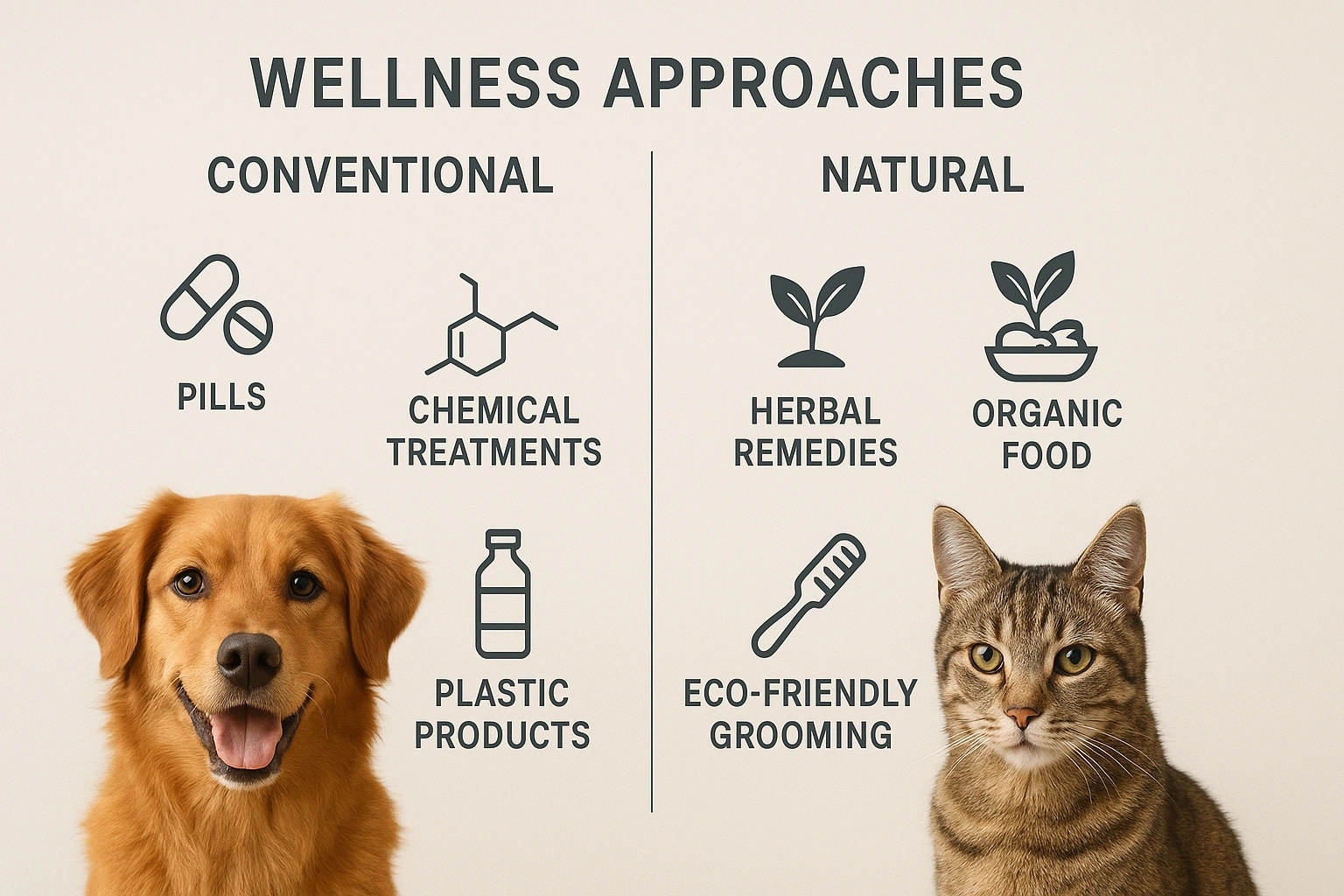
Here’s how a holistic approach might differ from a conventional one for common problems.
| Issue | Conventional Approach | Holistic Approach | Best For |
|---|---|---|---|
| Mild Arthritis | Prescription NSAIDs (painkillers). | Joint supplements, acupuncture, weight management. | Long-term, gentle management. |
| Skin Allergies | Steroids or allergy medication to suppress symptoms. | Food elimination trial, gut health support, herbal rinses. | Identifying and resolving the root cause. |
| Obesity | Prescription low-calorie kibble. | Switch to high-moisture, high-protein fresh food; increase exercise. | Sustainable, long-term weight loss. |
Common Mistakes to Avoid in Holistic Care
A balanced approach is key. Avoid these common pitfalls.
- Rejecting Conventional Medicine Entirely: Holistic care should be integrative. Life-saving drugs, vaccines, and surgery have their place.
- Using Untested “Cures”: Stick to remedies and therapies with a basis in science or a long history of safe use.
- Over-supplementing: More is not better. Work with a vet to target the specific supplements your pet needs.
- Ignoring Your Pet’s Individuality: What works for one pet may not work for another. Pay close attention to your animal’s unique responses.
Expert Tips & Best Practices
We asked a leading integrative veterinarian for her best advice.
“True holistic health starts in the gut. Supporting your pet’s microbiome with a fresh diet and probiotics is the foundation upon which all other wellness is built. It’s the most powerful preventative medicine we have.”
— Dr. Karen Becker, DVM
Top 5 Expert Tips:
- Find the Right Vet: Look for a veterinarian certified in acupuncture, herbal medicine, or who is a member of the AHVMA.
- Minimize Vaccinations: Work with your vet on a minimal vaccine protocol and use titer testing to check for existing immunity instead of automatically re-vaccinating.
- Provide Clean Water: Use a high-quality filter to remove chlorine, fluoride, and heavy metals from your pet’s drinking water.
- Practice “Grounding”: Allow your pet to have regular, direct contact with the earth (grass, dirt, sand) which can help reduce inflammation.
- Keep a Health Journal: Track your pet’s diet, energy levels, and any symptoms to identify patterns and triggers.
Frequently Asked Questions (FAQ)
Q: What is the difference between holistic and conventional veterinary medicine?
A: Conventional medicine typically focuses on treating symptoms and diseases with pharmaceuticals and surgery. Holistic pet health considers the entire animal—body, mind, and environment—and aims to support its innate healing abilities through diet, supplements, and lifestyle changes, often integrating conventional treatments when necessary.
Q: Is holistic care safe for all pets?
A: When guided by a qualified holistic or integrative veterinarian, it is very safe. The key is a proper diagnosis and a well-rounded treatment plan. Self-diagnosing or using untested remedies can be dangerous. Always partner with a professional.
Q: What is the most important part of natural wellness for pets?
A: Diet is the foundation of health. Providing a species-appropriate, high-quality diet free from fillers and artificial ingredients is the single most powerful action you can take to support your pet’s long-term wellness.
Q: How can I reduce stress in my multi-pet household?
A: Ensure each pet has their own resources (food bowls, beds, litter boxes) to prevent competition. Use pheromone diffusers (like Feliway for cats and Adaptil for dogs) to create a calming environment. Provide plenty of vertical space for cats and individual playtime for all pets.
Q: Can I use CBD oil for my pet?
A: CBD is a popular supplement for anxiety and pain, but its regulation is still evolving. It’s crucial to use a product specifically designed for pets (THC-free), from a reputable brand that provides a certificate of analysis (COA), and to consult with your vet for proper dosing.
Conclusion
Embracing **holistic pet health** is a journey toward a deeper understanding of your animal companion. By focusing on the five pillars of wellness—nutrition, environment, fitness, emotional balance, and integrative care—you can create a foundation for a long, vibrant, and healthy life. The path of **natural wellness for pets** is about making conscious, informed choices every day that honor your pet as the unique individual they are. For more tips on creating a healthy home for your pets, visit us at weton.biz.id.