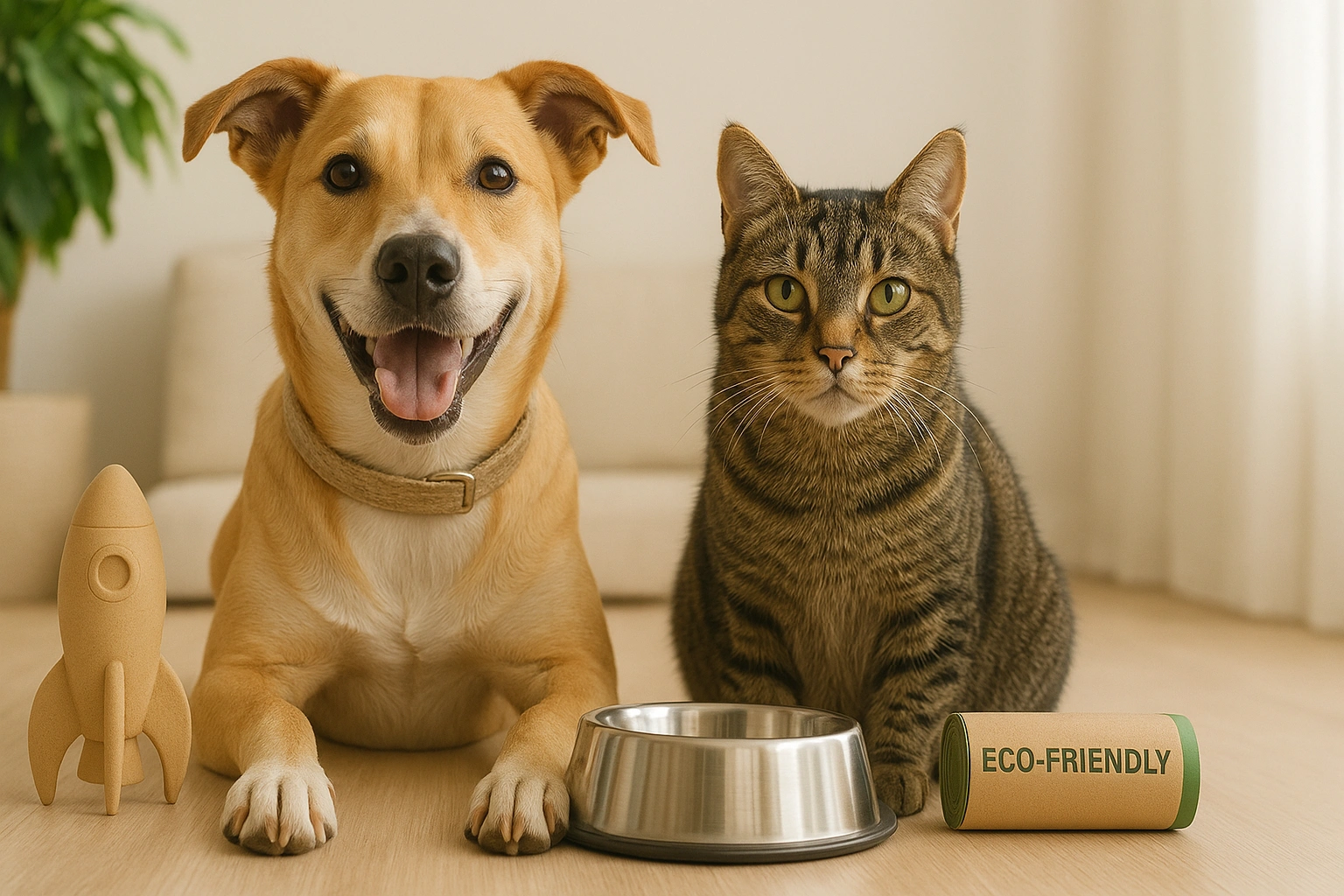
Discover the hidden health benefits of choosing non-toxic, sustainable gear for your dog or cat.
Introduction
Have you ever wondered what’s actually in that cheap plastic chew toy your dog loves, or what chemicals are used to dye their brightly colored collar? The truth can be alarming, and that’s why learning the benefits of eco pet accessories is so important for every pet parent.
Many conventional products carry hidden toxins that affect pets’ health over time, but the benefits of eco pet accessories show us how simple swaps can reduce risks while still being stylish and practical.
As responsible owners in 2025, understanding the benefits of eco pet accessories means thinking beyond the environment—it’s also about long-term safety and comfort for our furry family members.
This guide highlights the benefits of eco pet accessories in everyday life, helping you see why choosing sustainable gear is one of the most impactful decisions you can make.
What Makes an Accessory “Green” and “Safe”?
The terms “green” and “eco-friendly” often bring to mind environmental benefits, but at their core, the benefits of eco pet accessories focus on non-toxicity and safety. Safe, eco pet accessories are designed from materials that protect pets while reducing waste, showing the real benefits of eco pet accessories in everyday care.
By prioritizing natural, renewable resources like hemp and rubber, or choosing recycled materials that are tested for safety, pet owners directly experience the benefits of eco pet accessories in both health and sustainability. The ultimate goal of sustainable pet care gear is to cut exposure to harmful chemicals and highlight the long-lasting benefits of eco pet accessories for pets and the planet.
This focus on health and safety is a growing priority for consumers. A recent report highlighted by the AVMA indicates that pet owners are increasingly concerned about the chemical content of pet products, driving a market shift towards transparent and non-toxic options.

The Top 3 Health Benefits of Eco Pet Accessories
Choosing sustainable gear is a direct investment in your pet’s long-term health, and the benefits of eco pet accessories make this choice even more meaningful.
When you focus on safer, non-toxic options, the benefits of eco pet accessories become clear in reduced risks and improved comfort for your furry friend.
Pet owners in 2025 are realizing that the benefits of eco pet accessories extend beyond the planet—they also protect pets from harmful chemicals and fragile products.
By making small swaps every day, the benefits of eco pet accessories create lasting value, keeping pets healthier while helping households live more sustainably.
1. Avoidance of Harmful Chemicals
Many standard plastic and vinyl pet toys contain a cocktail of chemicals that can be harmful when ingested or licked over time.
- BPA & Phthalates: Often found in soft plastics, these chemicals are known endocrine disruptors.
- Toxic Dyes: Brightly colored fabrics can be treated with dyes containing heavy metals.
- Formaldehyde: Sometimes used as a preservative in cheap pet beds and fabrics.
Eco-friendly accessories from reputable brands are made from materials that are certified free of these and other toxins.
2. Reduced Risk of Allergies and Skin Irritation
A pet’s skin is their largest organ and can be highly sensitive. Collars made from synthetic materials like nylon can trap moisture and heat, leading to chafing and “hot spots.” Natural fibers like hemp are breathable and hypoallergenic, making them an ideal choice for dogs with sensitive skin. This principle of reducing irritants is also why many owners choose the best eco-friendly cat litter.
3. Prevention of Choking and Ingestion Hazards
While no toy is indestructible, eco-friendly toys are often designed with durability in mind. Cheap plastic toys can shatter into sharp, dangerous pieces. In contrast, toys made from high-quality natural rubber are designed to withstand heavy chewing without breaking apart, significantly reducing the risk of your pet swallowing a hazardous fragment.
Material Safety Breakdown
Understanding the materials is key to making a safe choice. Here’s a look at why eco-materials are superior:
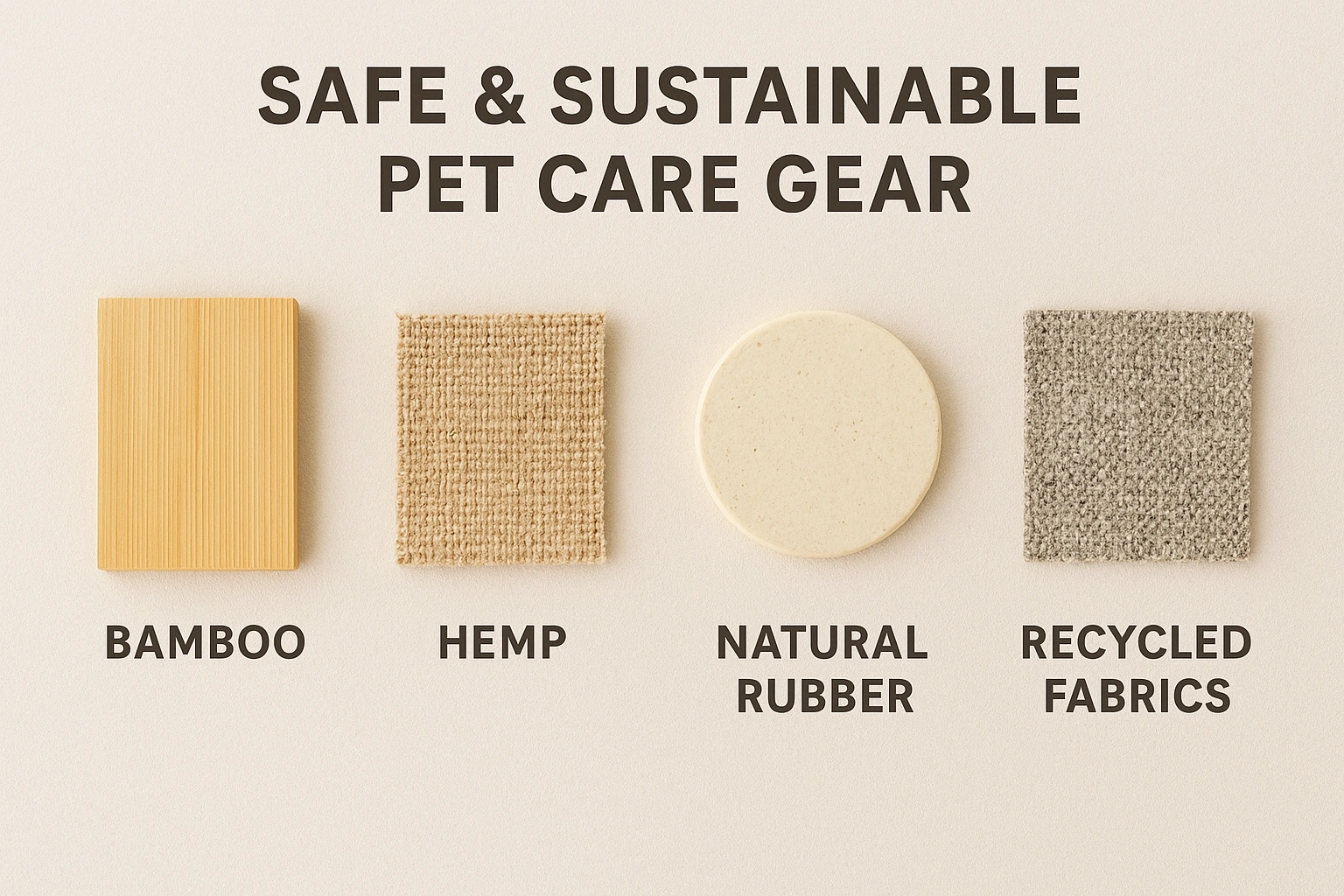
Natural Hemp: A highly durable, breathable, and antimicrobial plant fiber. It’s grown without pesticides, making it naturally clean and safe for sensitive skin.
Natural Rubber: Sourced from the sap of rubber trees, it’s a tough, bouncy, and non-toxic material perfect for chew toys. It’s free from the chemicals found in synthetic rubber.
Certified Recycled Plastic: Post-consumer plastic that has been cleaned and tested to ensure it is free of harmful contaminants. It’s a safe way to give plastic a second life.
Real-Life Use Case: The Cat Chin Acne Solution
My cat used to suffer from persistent chin acne, a common issue for felines. My vet suspected the cause was a cheap plastic food bowl, which can harbor bacteria and leach chemicals.
The Simple Swap:
I replaced her plastic bowl with a shallow, stainless steel one. Stainless steel is non-porous, easy to sterilize, and doesn’t leach any chemicals. I also started washing it daily.
Within two weeks, the chin acne completely cleared up and has not returned. It was a simple, affordable change that solved a chronic health issue by eliminating a source of toxins and bacteria.
| Pros of the Swap | Cons of the Swap |
|---|---|
| Eliminated a chronic health problem. | Stainless steel bowls can be slightly more expensive initially. |
| More hygienic and easier to clean. | None. |
| Long-lasting and fully recyclable. | None. |
Comparison: Material Safety Features
Here’s how common pet accessory materials compare on safety.
| Material | Safety Benefits | Potential Concerns | Best For |
|---|---|---|---|
| Conventional Plastic | Cheap and widely available. | May contain BPA/phthalates; can shatter into sharp pieces. | Not recommended. |
| Natural Hemp | Hypoallergenic, breathable, antimicrobial. | Can absorb water if not cared for. | Collars, leashes, and soft toys. |
| Natural Rubber | Non-toxic, extremely durable, doesn’t splinter. | Rarely, some dogs can have a latex allergy. | Durable chew toys and balls. |
| Certified Recycled Plastic | Certified non-toxic, diverts waste. | Must be from a reputable, certified brand. | Plush toy fillings and durable fabrics. |
Common Mistakes to Avoid
Don’t let good intentions lead to unsafe choices. Avoid these mistakes.
- Assuming “Natural” is Always Safe: Some natural materials, like certain woods or plants, can be toxic to pets. Stick to proven, pet-safe options.
- Ignoring Durability: A “natural” but flimsy toy that your dog can easily ingest is more dangerous than a durable, non-toxic rubber toy.
- Forgetting to Check for Certifications: Vague “non-toxic” claims are less reliable than official certifications like OEKO-TEX or GOTS for fabrics.
- Buying the Wrong Size: A toy or chew that is too small is a serious choking hazard, no matter what it’s made of.
Expert Tips & Best Practices
We asked a holistic veterinarian for her top safety tip.
“The single most important safety tip is to reduce your pet’s overall toxic load. This starts with a clean diet and a chemical-free home environment. The accessories you choose are a crucial part of that equation. Every non-toxic choice you make contributes to a more resilient and healthier animal.”
— Dr. Karen Becker, DVM
Top 5 Expert Tips:
- Read the Fine Print: Look for brands that are transparent about their materials and manufacturing processes.
- Perform a “Sniff Test”: A strong chemical smell from a new toy or bed is a red flag. Air it out, and if the smell persists, return it.
- Choose Simplicity: Often, the safest products have the simplest construction and fewest materials.
- Wash Before Use: Just like with human clothes, it’s a good practice to wash new pet beds and fabric toys before use to remove any residues from manufacturing.
- Supervise, Always: No matter how safe a toy is, always supervise your pet to prevent accidents.
Frequently Asked Questions (FAQ)
Q: Are recycled plastic toys safe for my dog to chew?
A: Yes, provided they are from a reputable brand. These companies use post-consumer recycled plastic that has been thoroughly cleaned and is certified non-toxic, ensuring it’s free from BPA, phthalates, and other harmful chemicals.
Q: What does ‘non-toxic’ actually mean on a pet product label?
A: Ideally, ‘non-toxic’ means the product is free from substances that could harm your pet if ingested or through skin contact. However, the term is not strictly regulated. Look for third-party certifications like OEKO-TEX for fabrics or food-grade material declarations for bowls and chew toys for more assurance.
Q: My dog has sensitive skin. What is the safest collar material?
A: Hemp is one of the best choices for dogs with sensitive skin. It’s a natural, breathable fiber that is naturally hypoallergenic and gets softer with use, reducing the risk of chafing and irritation.
Q: How can I be sure a toy doesn’t contain lead or other heavy metals?
A: Choose brands that are transparent about their manufacturing processes and materials. Reputable US and European brands are subject to stricter safety standards. Look for products labeled ‘lead-free’ and avoid cheap, unbranded toys from unknown sources.
Q: Is it safer to DIY my pet’s toys?
A: It can be, as you control the materials. However, you must ensure the materials are safe (e.g., using non-toxic fabrics and avoiding small, swallowable parts) and that the construction is durable enough to withstand play without becoming a choking hazard.
Conclusion
The benefits of eco pet accessories are clear: they are fundamentally safer for pets and give owners peace of mind. By reducing exposure to harmful chemicals, the benefits of eco pet accessories also lower the risks of long-term health issues while keeping daily care simple.
From minimizing allergies to improving comfort, the benefits of eco pet accessories highlight how sustainable choices directly support well-being. Prioritizing durable and safe materials shows that the benefits of eco pet accessories go far beyond the environment.
Choosing sustainable pet care gear becomes easier when you recognize the real benefits of eco pet accessories—it’s not just a green choice, but a commitment to your pet’s safety and happiness. For more tips on creating a safe and sustainable home for your pets, explore trusted resources and keep building healthy habits.
visit us at weton.biz.id.