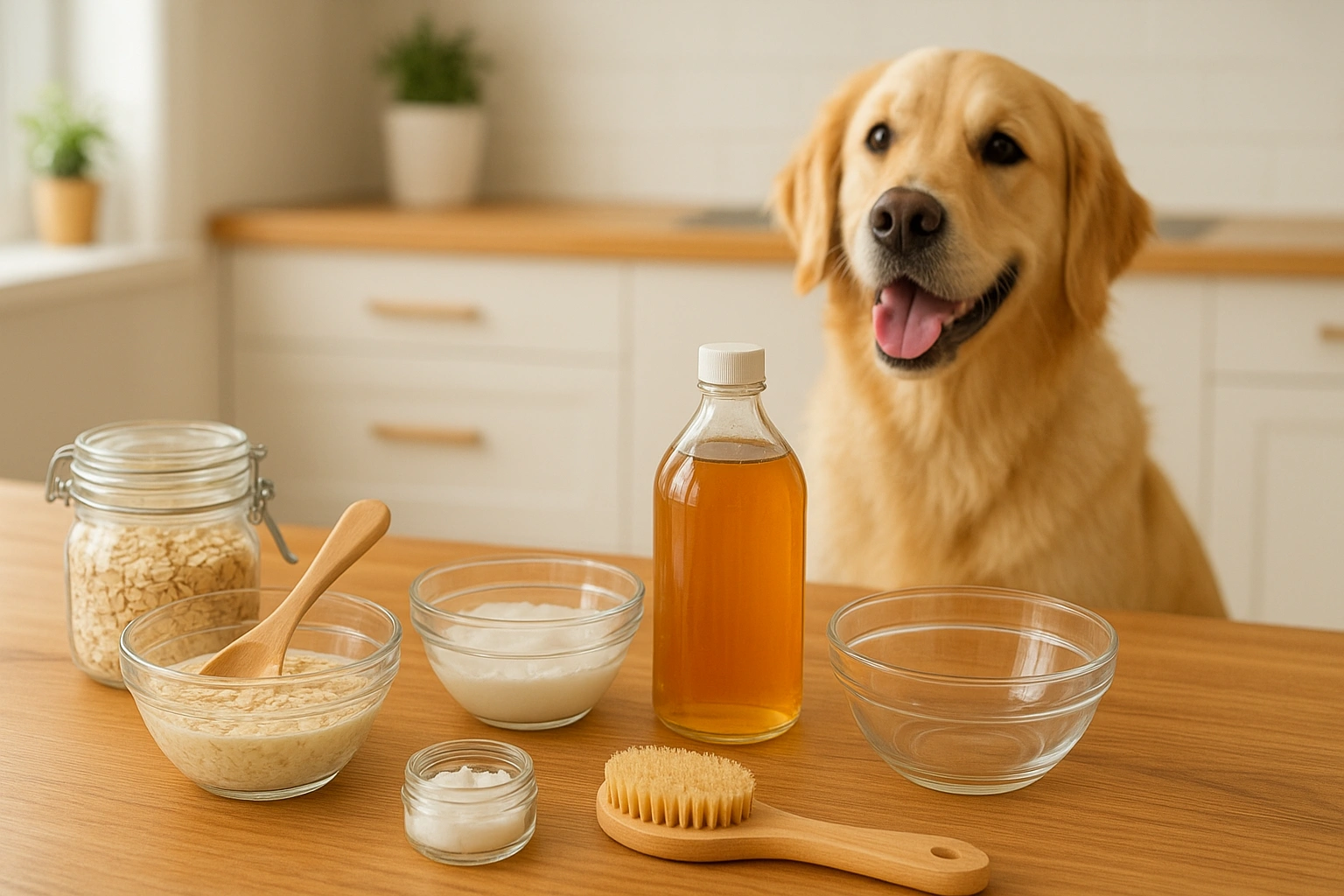
Skip the expensive products and harsh chemicals. Learn how to create effective, homemade natural pet care solutions right from your kitchen.
Introduction
Have you ever read the ingredient list on a pet shampoo bottle and felt like you needed a chemistry degree to understand it? You’re not alone, and this is where DIY Eco Pet Grooming offers a clearer and safer alternative.
The desire for transparency and control over what we put on our pets’ bodies is leading many to explore the world of DIY Eco Pet Grooming. It gives owners confidence that every ingredient is simple, natural, and beneficial.
DIY Eco Pet Grooming is also a rewarding, cost-effective, and surprisingly simple way to provide top-notch care. With a few everyday items, you can create solutions that are both gentle for pets and kind to the planet.
This guide will empower you with safe recipes, expert tips, and the confidence to embrace DIY Eco Pet Grooming fully, helping you become your pet’s personal, all-natural groomer.
What is DIY Eco Pet Grooming?
DIY Eco Pet Grooming is the practice of creating and using your own grooming products at home from natural, safe, and environmentally friendly ingredients. With DIY Eco Pet Grooming, every recipe is built around simple elements that protect both your pet and the planet.
It’s about ditching the plastic bottles and unpronounceable chemicals in favor of simple, effective solutions you can whip up in your own kitchen. DIY Eco Pet Grooming makes this shift easier, showing that you don’t need complicated formulas to care for your pet.
This approach puts you in complete control, ensuring your pet is only exposed to gentle, beneficial ingredients. Through DIY Eco Pet Grooming, you gain peace of mind while offering care that is affordable, natural, and sustainable.
The movement towards homemade natural pet care is a reflection of a larger consumer trend. A report from Statista shows that the demand for organic and natural products has been climbing steadily for years. Pet owners are now applying that same health-conscious mindset to their furry companions, seeking out recipes for everything from shampoos to paw balms.

Why It Matters: The Benefits of a Homemade Routine
Embracing a DIY approach offers more than just peace of mind; it comes with a host of practical advantages.
Complete Control Over Ingredients
Is your dog allergic to a specific ingredient? Does their skin get extra dry in the winter? When you make your own products, you can tailor each recipe to your pet’s specific needs, avoiding irritants and adding beneficial ingredients like aloe vera or vitamin E.
Significant Cost Savings
High-quality organic pet grooming products can be expensive. DIY versions often use affordable, multi-purpose ingredients like baking soda, apple cider vinegar, and coconut oil that you may already have, drastically cutting down on your pet care budget.
Reduces Your Environmental Pawprint
By making products at home, you eliminate the need for single-use plastic bottles. You can store your creations in reusable glass jars or spray bottles, making a direct impact on your household’s waste production.
Understanding the ingredients is key. Much like consulting a resource such as weton.biz.id can provide insight into traditions, researching your ingredients provides insight into your pet’s health and ensures everything you use is safe and beneficial.
Your DIY Grooming Toolkit: 3 Essential Recipes
Getting started is easy with these simple, vet-approved recipes. Always perform a small patch test on your pet’s skin 24 hours before a full application to check for any sensitivity.

1. Soothing Oatmeal Shampoo (For Sensitive Skin)
- Ingredients: 1 cup uncooked, plain oatmeal (ground into a fine powder), 1/2 cup baking soda, 4 cups warm water.
- Instructions: Combine all ingredients in a bowl and stir until you have a well-mixed, paste-like consistency. Wet your dog’s coat thoroughly, then massage the shampoo into their fur, avoiding the eyes. Let it sit for 3-5 minutes to allow the oatmeal to soothe the skin, then rinse completely.
2. Protective Paw Balm
- Ingredients: 2 tbsp olive oil, 2 tbsp coconut oil, 2 tbsp shea butter, 1 tbsp beeswax pellets.
- Instructions: In a small saucepan or double boiler, gently melt all ingredients together over low heat. Stir until smooth. Carefully pour the liquid into a small tin or jar and let it cool completely to solidify. Massage a small amount onto your dog’s paw pads before walks.
3. All-Natural Deodorizing Spray
- Ingredients: 2 cups distilled water, 1/2 cup apple cider vinegar, 5-10 drops of dog-safe lavender essential oil (optional).
- Instructions: Combine all ingredients in a clean spray bottle and shake well. Lightly mist your dog’s coat (avoiding their face) and brush through for a quick refresh between baths.
Real-Life Test: Making the Oatmeal Shampoo
I decided to try the DIY Oatmeal Shampoo on my terrier mix, who often gets itchy skin. Grinding the oatmeal in my blender was simple, and mixing the ingredients took less than two minutes. The “shampoo” was more of a paste, which was a little different to apply, but it spread well on his wet coat.
The best part was the rinse—it washed out cleanly with no residue. After he dried, his coat was incredibly soft, and he smelled clean and fresh without any artificial perfume scent. Most importantly, he wasn’t scratching later that day.
| Pros | Cons |
|---|---|
| Incredibly cheap and easy to make. | Doesn’t lather like commercial shampoos. |
| Visibly soothed my dog’s itchy skin. | Has no shelf life; must be made fresh for each use. |
| 100% natural and lick-safe. | Can be a bit messy to apply. |
Verdict: For a zero-chemical, skin-soothing bath, this DIY recipe is a clear winner. It’s a fantastic alternative to store-bought sensitive skin formulas.
Comparison: Your Homemade Natural Pet Care Arsenal
Here’s how our three DIY recipes compare for at-home use.
| Recipe | Key Ingredients | Pros | Cons | Best For |
|---|---|---|---|---|
| Oatmeal Shampoo | Oatmeal, Baking Soda | Ultra-gentle, soothes itching, very cheap. | No lather, must be made fresh. | Dogs with allergies or sensitive skin. |
| Protective Paw Balm | Coconut Oil, Shea Butter, Beeswax | Moisturizes and protects, long shelf life. | Requires melting/cooling time. | Active dogs in harsh weather (hot or cold). |
| Deodorizing Spray | Apple Cider Vinegar, Water | Instantly refreshes coat, helps detangle. | Vinegar scent is strong initially (but fades). | Quick clean-ups between full baths. |
5 Common Mistakes in DIY Pet Grooming
While DIY is fantastic, it’s crucial to be safe. Avoid these common pitfalls.
- Using Unsafe Essential Oils: Many essential oils are toxic to pets (especially cats), including tea tree, citrus, and peppermint. Always use heavily diluted, pet-safe oils like lavender and consult a vet first.
- Using Human Shampoo: Never use your own shampoo (even natural brands) on your pet. A dog’s skin has a different pH balance, and human products can cause severe irritation.
- Improper Storage: Any recipe containing water without a preservative (like our shampoo) can grow bacteria quickly. Only make enough for one use. Oil-based balms are more stable.
- Skipping the Patch Test: Just like humans, pets can have allergies to natural ingredients. Always test a new recipe on a small spot of skin first.
- Ignoring Veterinary Advice: If your pet has a serious skin condition, DIY recipes are not a substitute for professional medical care. Consult your vet for any persistent issues. A great resource for pet safety is the ASPCA Poison Control Center.
Expert Tips for DIY Success
We asked Dr. Chloe Bennett, a holistic veterinarian, for her top tips on homemade natural pet care.
“Keep it simple. The beauty of DIY is its simplicity. You don’t need a dozen ingredients for an effective product. Focus on high-quality, organic ingredients whenever possible. Your pet’s skin will thank you.”
– Dr. Chloe Bennett, Holistic Veterinarian
Here are her best practices:
- Start with a Clean Workspace: Sanitize your bowls, utensils, and containers to prevent bacteria from contaminating your products.
- Label Everything: Clearly label your containers with the contents and the date you made them.
- Use Distilled Water: Tap water can contain minerals and impurities. Using distilled water in your recipes can help them stay fresher, longer.
- Know Your Pet: Pay close attention to how your pet’s skin and coat react to different ingredients and adjust your recipes accordingly.
Frequently Asked Questions (FAQ)
Q: How long do these DIY products last?
A: Water-based recipes like the shampoo should be used immediately. Oil-based products like the paw balm can last for several months if stored in a cool, dark place.
Q: Are these recipes safe for cats?
A: Cats are extremely sensitive to many ingredients, especially essential oils and certain plants. The oatmeal shampoo is generally safe, but you should ALWAYS consult a veterinarian before using any homemade product on a cat.
Q: My dog licked the paw balm. Is that okay?
A: Yes. Because these recipes use food-grade ingredients, they are safe if your pet licks them. This is one of the major advantages of DIY eco pet grooming.
Q: Can I add a scent to the oatmeal shampoo?
A: It’s best to avoid it. The primary purpose of this shampoo is to be gentle and soothing for sensitive skin, and adding fragrances (even natural ones) can be irritating.
Conclusion
Embracing DIY Eco Pet Grooming is more than just a way to save money—it’s a chance to connect more deeply with your pet’s well-being. DIY Eco Pet Grooming allows you to craft solutions that are safe, natural, and perfectly suited to your pet’s needs.
By taking a few minutes to mix these simple, natural ingredients, you are providing care that is pure, effective, and free from harmful chemicals. DIY Eco Pet Grooming turns everyday items into tools for healthier skin, softer coats, and happier pets.
You’re also taking a positive step for the environment by reducing waste. With DIY Eco Pet Grooming, each recipe helps cut plastic use and supports a more sustainable lifestyle. Start with one recipe, see how easy it is, and enjoy the peace of mind that comes with this simple, homemade approach.
What are your favorite DIY pet recipes? Share them in the comments below!