A complete guide to choosing a healthy, sustainable diet for your pet.
Introduction
The global pet food industry has a carbon footprint larger than some countries, which is why creating an eco friendly pet diet is becoming more important every year.
As eco-conscious individuals, we meticulously manage our own diets, and applying the same care to an eco friendly pet diet ensures our companions also live sustainably.
In 2025, designing an eco friendly pet diet is one of the most impactful actions you can take to reduce your household’s environmental impact.
This guide will break down the best sustainable plans, showing how an eco friendly pet diet connects with natural nutrition for pets to support both health and the planet.
What is an Eco-Friendly Pet Diet?
An eco friendly pet diet is a feeding plan designed to minimize environmental harm while still giving complete and balanced nutrition.
Choosing an eco friendly pet diet means looking beyond ingredients and considering the entire lifecycle of the food, from sourcing to packaging.
By focusing on an eco friendly pet diet, you support a system that reduces waste, improves sustainability, and protects natural resources.
The core principle of an eco friendly pet diet is to shrink the “carbon pawprint” while keeping your companion animals healthy and nourished.
This concept is rapidly evolving. As documented by publications like Wired, innovations in alternative proteins and sustainable agriculture are transforming the pet food landscape, giving owners more planet-friendly options than ever before.
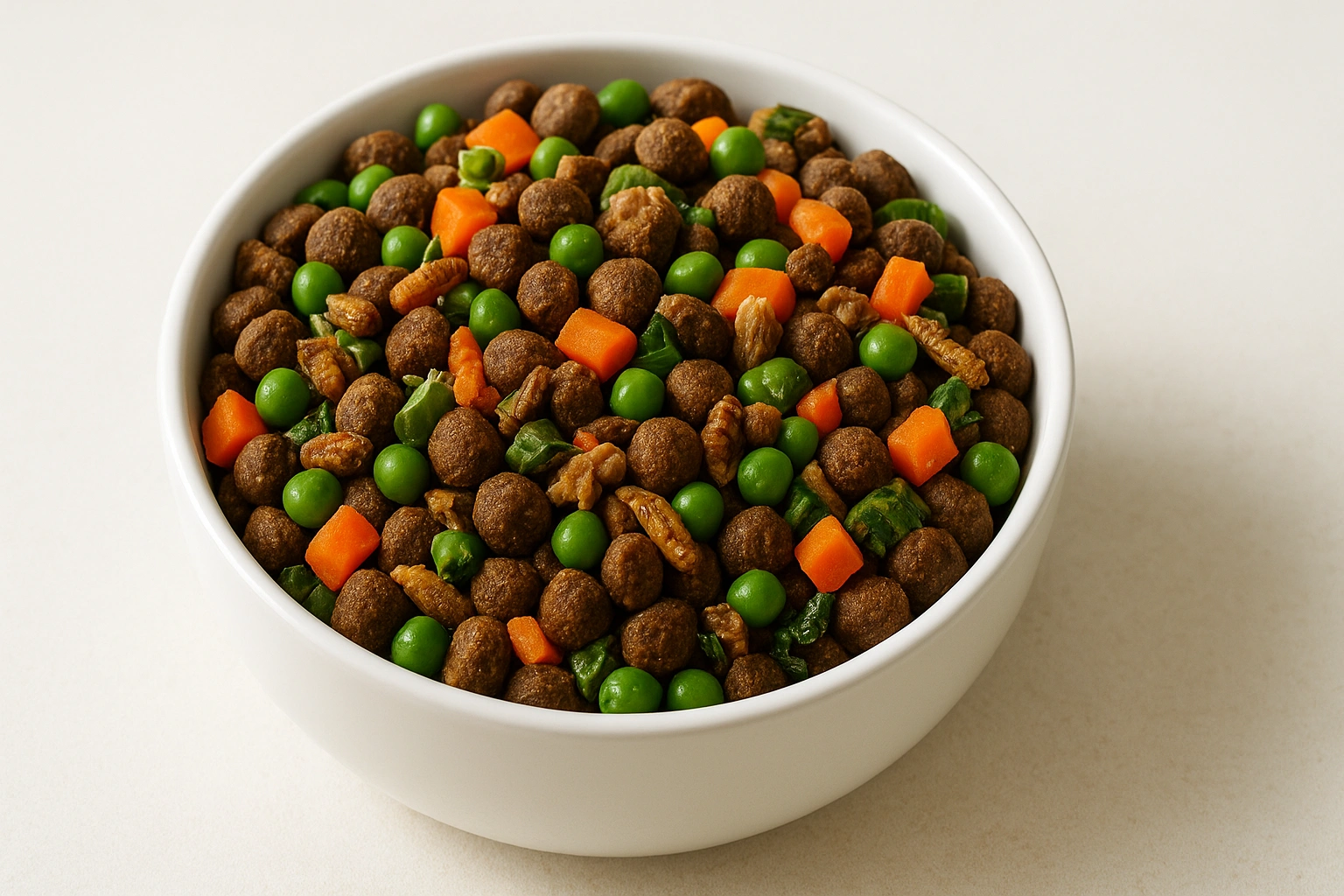
Why Your Pet’s Diet Plan Matters
The diet you choose for your pet has a surprisingly large impact, and an eco friendly pet diet makes that impact more positive for the planet.
By adopting an eco friendly pet diet, you help reduce strain on global ecosystems while giving your pet clean, nutritious meals.
An eco friendly pet diet also supports long-term well-being, linking your pet’s health with more sustainable food choices.
Ultimately, choosing an eco friendly pet diet benefits both your companion’s wellness and the environment we all share.
Reduce Your Carbon Footprint
Livestock farming for pet food is a major contributor to greenhouse gas emissions. By choosing a diet plan with lower-impact proteins, you directly contribute to the fight against climate change.
Support Biodiversity and Animal Welfare
Sustainable diet plans often use ingredients from sources that promote biodiversity, such as MSC-certified fisheries or regenerative farms. This supports healthier ecosystems and more humane treatment of farm animals. This same principle applies to other pet supplies, like the ones discussed in our guide to the best eco-friendly cat litter.
Improve Your Pet’s Health with Natural Nutrition
An eco friendly pet diet often prioritizes whole, unprocessed ingredients and proteins that are easier for pets with allergies or sensitive stomachs.
With an eco friendly pet diet, you focus on clean meals that use simple ingredients while still supporting sustainable farming practices.
Choosing an eco friendly pet diet also ensures variety through novel proteins that promote better digestion and long-term wellness.
At its core, an eco friendly pet diet connects natural nutrition for pets with a lifestyle that benefits both health and the environment.
How to Build an Eco-Friendly Diet Plan
Creating a sustainable plan involves a few key steps:
1. Assess Your Pet’s Needs: Consult your vet to understand your pet’s specific nutritional requirements based on age, breed, and health status.
2. Choose a Low-Impact Protein: Select a primary protein source. This is the most critical decision for sustainability.
3. Evaluate the Brand’s Ethics: Research the company’s sourcing, packaging, and overall commitment to sustainability.
4. Implement Portion Control: Overfeeding not only leads to pet obesity but also wastes resources. Feed the correct amount for your pet’s ideal weight.
Real-Life Use Case: A Flexitarian Diet Plan
For my own dog, I’ve implemented a “flexitarian” diet plan. Rather than sticking to one type of food, I rotate between two high-quality, sustainable options.
My Plan:
- Weekday Base: An insect-protein-based kibble for its ultra-low environmental impact.
- Weekend Meals: A food made with MSC-certified whitefish to provide a different protein source and essential omega-3s.
- Treats: I use single-ingredient, locally sourced dehydrated sweet potatoes and carrots.
| Pros | Cons |
|---|---|
| Provides nutritional variety. | Requires purchasing and storing two types of food. |
| Keeps the overall carbon footprint very low. | Can be more expensive than sticking to one food. |
| Reduces the risk of developing food sensitivities. | Not suitable for dogs with very sensitive stomachs. |
Comparison: The Top 4 Eco-Friendly Pet Diet Plans
Here’s how the most popular sustainable diet plans compare.
| Diet Plan | Core Concept | Pros | Cons | Best For |
|---|---|---|---|---|
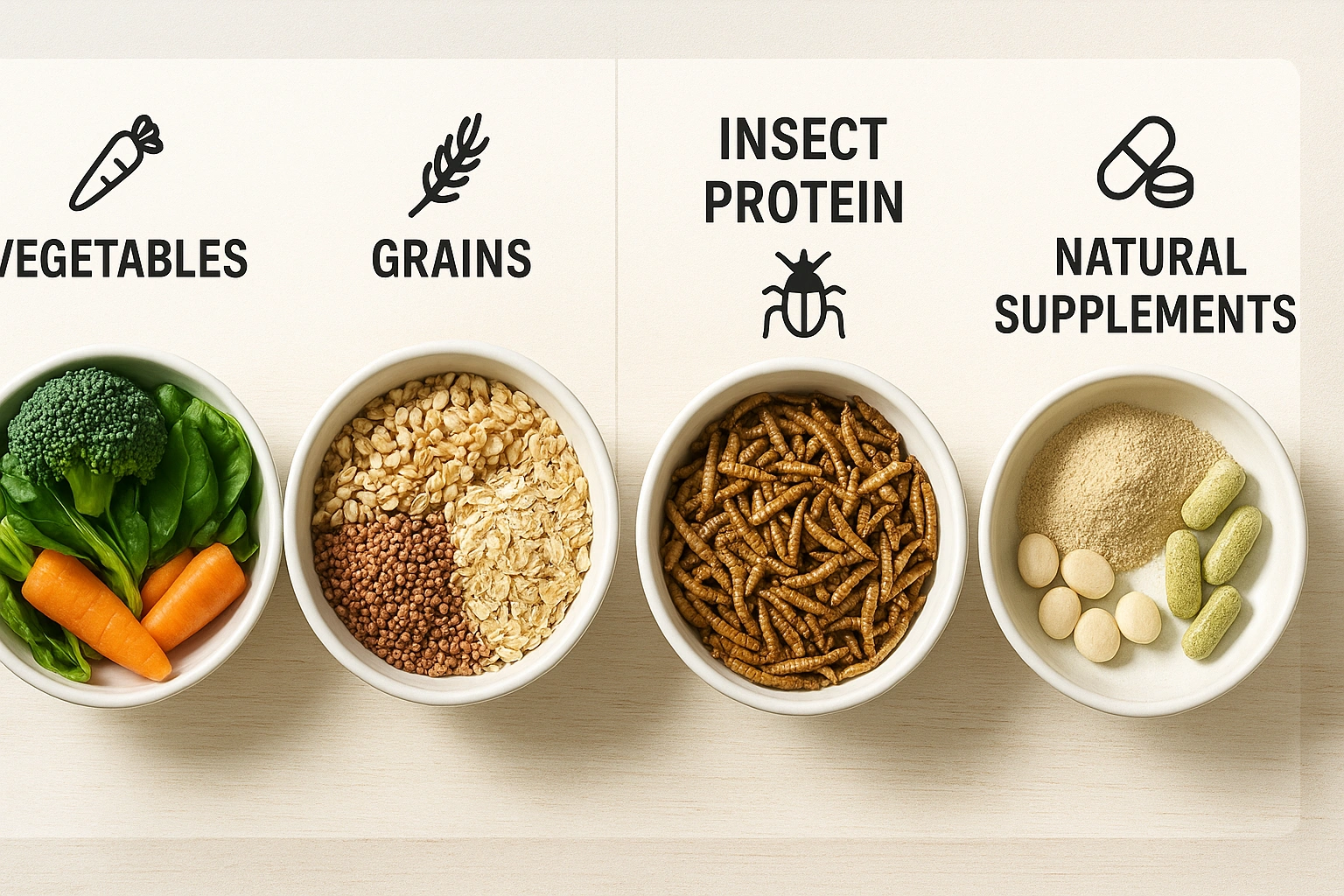
| Insect-Based Diet | Uses insect meal as the primary protein. | Lowest environmental impact, hypoallergenic. | Higher cost, limited availability. | The ultimate eco-warrior. |
| Sustainable Fisheries Diet | Uses MSC-certified fish and seafood. | Rich in omega-3s, protects oceans. | Can be expensive, potential for mercury. | Pets with skin/coat issues. |
| Reducetarian/Climatarian Diet | Focuses on lower-impact meats like chicken or turkey. | Easier transition, widely available. | Higher footprint than insect/fish. | Owners starting their eco journey. |
| Local/Regenerative Farm Diet | Sources all ingredients from local, sustainable farms. | Supports local economy, high transparency. | Can be very expensive and hard to find. | Owners with access to farmers’ markets. |
Common Mistakes to Avoid
Avoid these common errors when choosing an eco-friendly diet.
- Focusing Only on Ingredients: Don’t forget packaging! A great food in a terrible bag is only half a solution.
- Ignoring AAFCO Standards: Ensure any food you choose is labeled “complete and balanced” by AAFCO standards.
- Overlooking By-Products: Sustainably sourced organ meats (by-products) are incredibly nutritious and reduce waste from the meat industry. Don’t dismiss them.
- Falling for “Grain-Free” Hype: Unless your dog has a specific allergy, healthy whole grains are nutritious and have a lower carbon footprint than meat fillers.
Expert Tips & Best Practices
We asked a veterinary nutritionist for her top advice on sustainable feeding.
“The most sustainable diet is one that keeps your pet healthy and out of the vet’s office. Prioritize high-quality, digestible ingredients. A healthy pet consumes fewer resources over its lifetime.”
— Dr. Sarah Wooten, DVM
Top 5 Expert Tips:
- Look for B Corp Certification: This is a rigorous certification that ensures a company meets high standards of social and environmental performance.
- Use Food Toppers: Add a spoonful of sustainable wet food or fresh ingredients to a kibble base to boost nutrition without a complete diet overhaul.
- Choose the Right Fish: Small fish like sardines or anchovies are more sustainable and have lower levels of heavy metals than large predatory fish like tuna.
- Measure Every Meal: Use a measuring cup to ensure you’re not overfeeding. It’s the easiest way to reduce waste.
- Make Sustainable Treats: Use leftover vegetables like carrots, green beans, and pumpkin to make healthy, package-free treats.
Frequently Asked Questions (FAQ)
Q: Is a raw food diet (BARF) eco-friendly?
A: It can be, but it depends heavily on sourcing. If you source meat from local, regenerative farms, it can be a sustainable option. However, sourcing conventionally farmed raw meat still carries a high environmental footprint. It also requires careful handling to avoid bacterial contamination.
Q: What is the single most impactful change I can make to my pet’s diet?
A: Switching from a diet based on conventional beef or lamb to one based on a lower-impact protein like insect meal, sustainably-sourced fish, or even chicken is the single most effective change you can make to reduce your pet’s dietary carbon footprint.
Q: Can I make my own eco-friendly pet diet at home?
A: While you can reduce packaging waste, formulating a nutritionally complete diet at home is extremely challenging and risky without the guidance of a veterinary nutritionist. An imbalanced diet can cause severe health problems. It’s often safer and more sustainable to choose a reputable eco-conscious brand.
Q: How do I transition my pet to a new diet plan?
A: Transition gradually over 7-10 days. Start by mixing 25% of the new food with 75% of the old food. Every few days, increase the proportion of the new food until you have fully switched over. This helps prevent digestive upset.
Q: Are vegetarian diets safe for dogs?
A: Yes, a carefully formulated vegetarian diet can be safe and healthy for dogs, as they are omnivores. However, it must be nutritionally complete. Cats, as obligate carnivores, should never be fed a vegetarian diet as they require nutrients found only in animal tissue.
Conclusion
Crafting an **eco friendly pet diet** is a thoughtful process that pays dividends for your pet’s health and the planet. By focusing on lower-impact proteins, ethical sourcing, and minimal packaging, you can create a plan that truly reflects your values. The journey to better **natural nutrition for pets** is ongoing, but every sustainable choice you make contributes to a healthier future for all. For more tips on sustainable pet ownership, explore our resources at weton.biz.id.