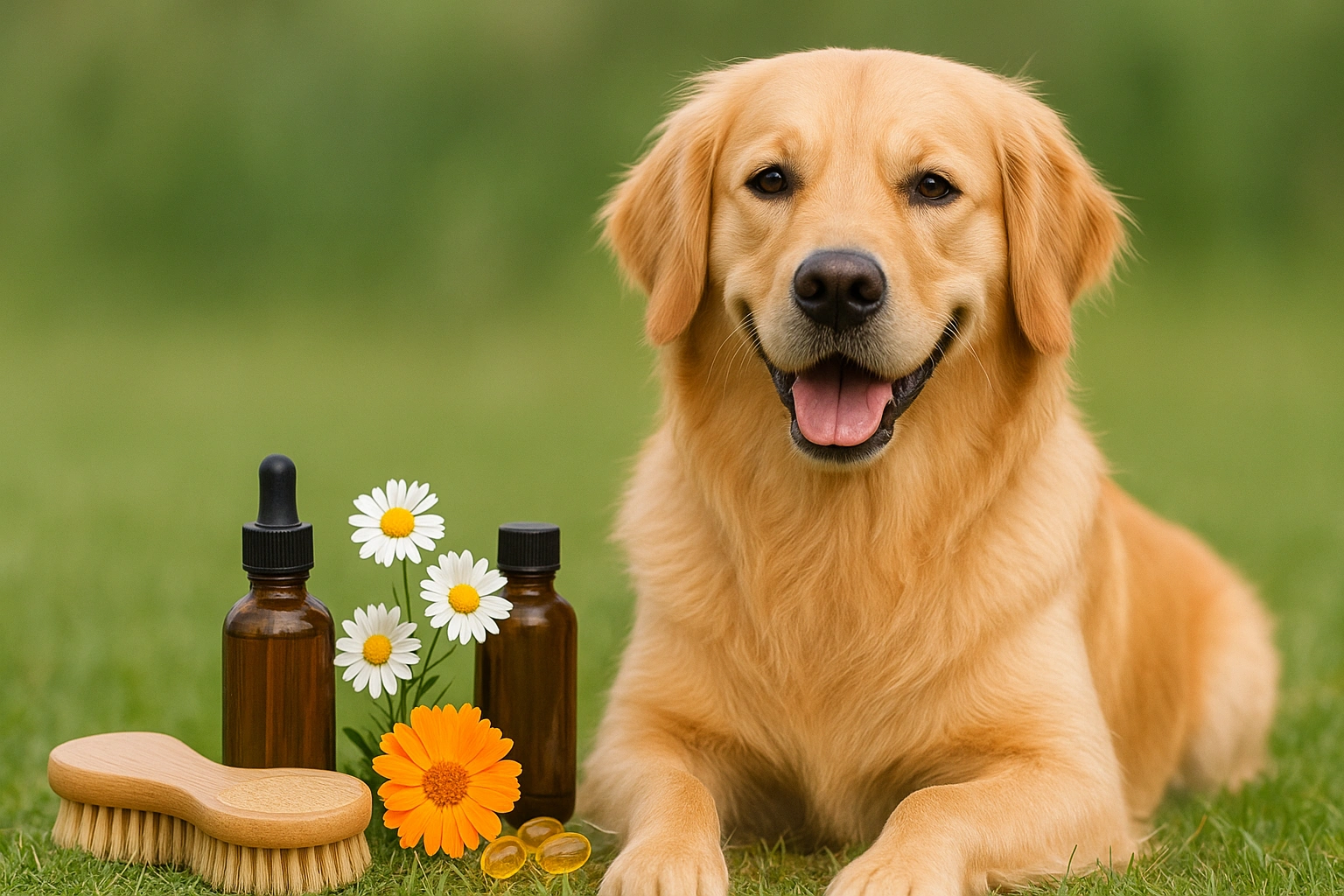
Safe and effective holistic solutions for your dog’s everyday ailments.
Introduction
When your dog starts incessantly scratching or gets an upset stomach, is your first instinct to reach for a powerful pharmaceutical? Many owners now prefer natural pet remedies as a gentler first step.
For a growing number of pet owners in 2025, the answer is no, because natural pet remedies can often ease minor issues without heavy drugs.
The interest in natural pet remedies has surged as people seek effective, safe ways to manage common health concerns while supporting overall wellness.
This guide provides a clear, evidence-based roadmap to natural pet remedies and holistic pet cares, helping you support your dog’s health naturally and confidently.
What Are Natural Pet Remedies?
Natural pet remedies are treatments derived from plants, minerals, and other natural sources, offering gentle options to prevent and treat everyday health conditions.
This broad category of natural pet remedies includes herbal medicine, nutritional supplements, and homeopathic treatments that can support long-term wellness.
The philosophy behind natural pet remedies is to treat the whole animal—body, mind, and spirit—rather than focusing only on symptoms.
By using natural pet remedies, you help support your dog’s innate ability to heal while keeping their routine safe, balanced, and holistic.
This isn’t a fringe movement. A report from Statista shows that the global market for veterinary supplements is projected to grow significantly, indicating a massive shift in how we approach pet wellness.
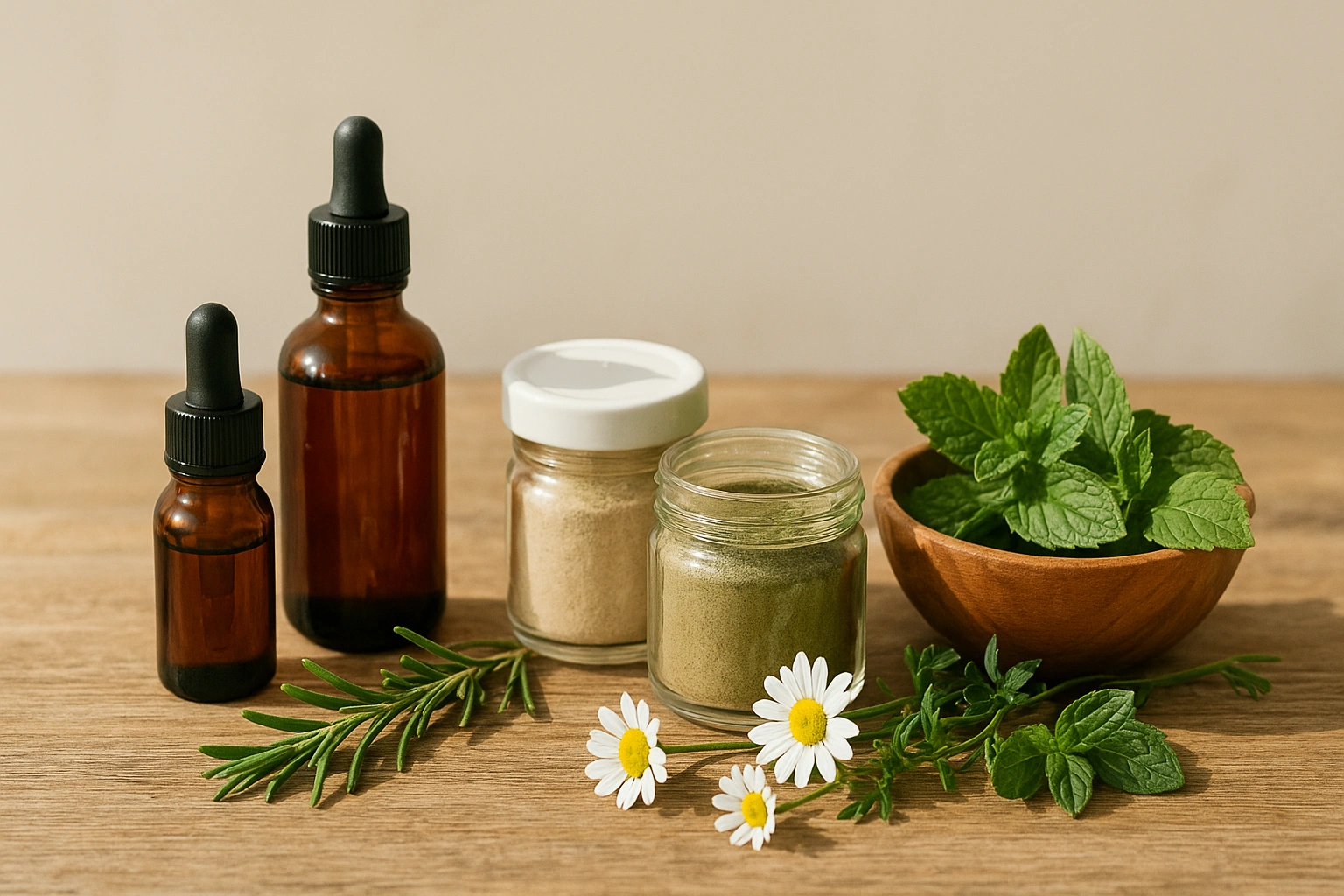
Why Choose Natural Remedies?
Integrating natural solutions into your pet’s healthcare routine offers many benefits, and natural pet remedies are often the simplest way to start.
With the right natural pet remedies, you can ease common ailments gently while reducing reliance on harsh medications.
Natural pet remedies also support long-term wellness by working with the body’s own healing processes rather than just masking symptoms.
By making natural pet remedies part of your routine, you provide safer care for your dog while helping protect the environment.
Fewer Side Effects
When used correctly, natural remedies often have a gentler effect on the body than pharmaceuticals, leading to fewer adverse side effects. They can be a safer first line of defense for minor issues.
Supports the Body’s Own Healing
Holistic treatments aim to support and stimulate the body’s natural healing mechanisms rather than just masking symptoms. This can lead to deeper, more lasting wellness. This is a core principle in all aspects of eco-friendly pet care, including choosing the best eco-friendly cat litter.
Cost-Effective for Chronic Issues
For long-term conditions like mild arthritis or anxiety, natural supplements and herbs can be a more affordable way to manage symptoms and improve quality of life compared to the ongoing cost of prescription medications.
A Guide to Common Ailments & Natural Solutions
Here are some of the most common canine health issues and the natural remedies that can help provide relief. Always consult your vet before starting any new treatment.
1. Itchy Skin & Hot Spots
Remedies: A topical spray of cooled chamomile tea can soothe inflammation. A thin layer of calendula salve can promote healing. Adding omega-3 fatty acids (fish oil) to their diet can improve skin health from the inside out.
2. Mild Digestive Upset (Diarrhea/Vomiting)
Remedies: A bland diet of boiled chicken and plain canned pumpkin (not pie filling!) can firm up stool. Slippery elm bark powder mixed with water can coat and soothe the digestive tract.
3. Anxiety & Stress
Remedies: Chamomile or valerian root (in appropriate doses) can have a calming effect. L-theanine, an amino acid found in green tea, can promote relaxation without drowsiness. Pheromone diffusers can also create a calmer home environment.
Real-Life Use Case: Soothing My Dog’s Itchy Paws
My dog often gets itchy, irritated paws from seasonal allergies. Instead of using a steroid cream, I make a simple, soothing calendula-infused oil.
My Method:
- I fill a small glass jar with dried calendula flowers.
- I cover the flowers completely with organic olive oil.
- I let the jar sit in a sunny windowsill for 2-3 weeks, shaking it daily.
- I strain the oil, and it’s ready to use. A small amount massaged into his paws provides instant relief.
| Pros | Cons |
|---|---|
| Completely natural and safe if licked. | Takes a few weeks to prepare. |
| Very effective for minor irritations. | Not a cure for severe allergies, which require vet diagnosis. |
| Incredibly cheap to make. | Can be a bit greasy on floors. |
Comparison: Types of Natural Pet Remedies
The world of holistic care is vast. Here’s a simple breakdown of the main approaches.
| Remedy Type | How It Works | Pros | Cons | Best For |
|---|---|---|---|---|
| Herbal Medicine | Uses plant compounds for therapeutic effects. | Potent, evidence-based for many uses. | Risk of interactions, requires proper dosing. | Chronic conditions, symptom relief. |
| Nutritional Supplements | Provides concentrated nutrients (e.g., fish oil, probiotics). | Targets specific deficiencies, preventative. | Quality varies widely, can be expensive. | Joint health, skin/coat, gut health. |
| Homeopathy | Uses micro-doses of substances to stimulate healing. | Extremely safe, no side effects. | Mechanism is not scientifically understood. | Emotional issues, minor acute injuries. |
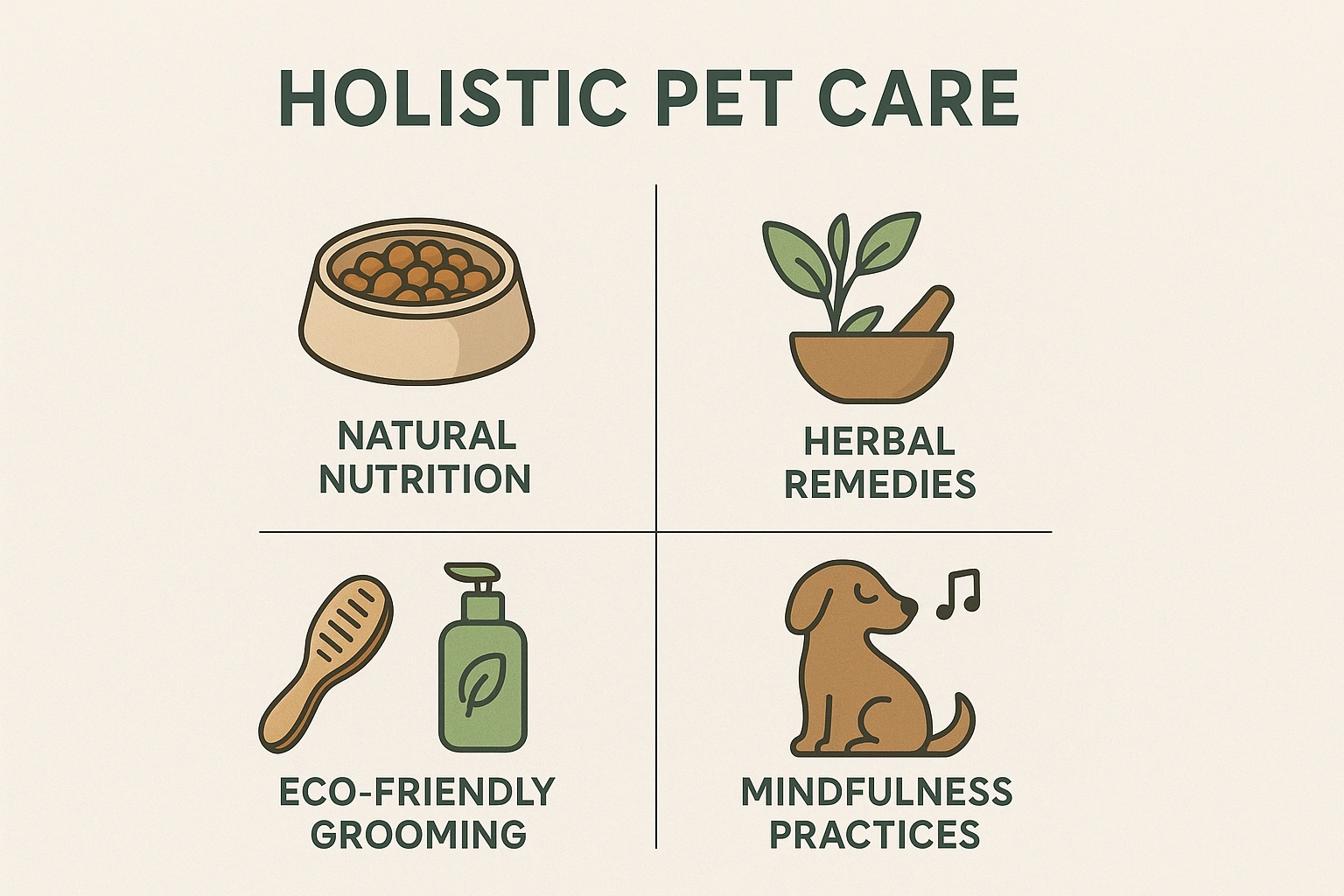
Common Mistakes to Avoid With Natural Remedies
Safety first! Avoid these common pitfalls when using natural treatments.
- Incorrect Dosing: More is not better. Always start with the lowest recommended dose and follow guidelines for your pet’s weight.
- Using Human Products: Never give your dog human medications or supplements without explicit veterinary approval.
- Self-Diagnosing Serious Issues: Lethargy, severe vomiting, or difficulty breathing are emergencies. Go to a vet immediately.
- Ignoring Potential Interactions: Herbs can interact with prescription medications. Always inform your vet of any supplements you are using.
Expert Tips & Best Practices
We asked a leading holistic veterinarian for her best advice.
“The most powerful natural remedy is knowledge. Educate yourself from reliable sources, partner with a veterinarian you trust, and learn to listen to your pet. They will often show you what they need.”
— Dr. Angie Krause, DVM, CVA, CCRT
Top 5 Expert Tips:
- Choose High-Quality Brands: Look for supplements with the National Animal Supplement Council (NASC) Quality Seal.
- Introduce One Remedy at a Time: This allows you to clearly see what is working and what isn’t.
- Trust Your Vet’s Diagnosis: Use natural remedies to support the treatment plan, not to replace the initial diagnosis.
- Create a Pet First-Aid Kit: Stock it with natural essentials like calendula salve, slippery elm powder, and activated charcoal (for toxin ingestion – call vet first!).
- Listen to Your Pet: If your pet dislikes a remedy or their condition worsens, stop immediately and consult your vet.
Frequently Asked Questions (FAQ)
Q: Can I give my dog human supplements?
A: It is strongly discouraged. Many human supplements contain ingredients like xylitol that are toxic to dogs. Dosages are also completely different. Always use products specifically formulated for pets and consult your veterinarian.
Q: What is the safest natural remedy for dog anxiety?
A: For mild anxiety, calming herbs like chamomile or L-theanine supplements can be effective. Creating a safe, quiet space and using pheromone diffusers (like Adaptil) are also excellent, non-invasive options. For severe anxiety, veterinary consultation is essential.
Q: How do I know if a natural remedy is working?
A: Keep a simple health journal. Track your pet’s symptoms, the remedy you’re using, the dosage, and any changes you observe over one to two weeks. This objective record will help you and your vet assess its effectiveness.
Q: Are there natural alternatives to antibiotics for pets?
A: For minor skin irritations, topical remedies like manuka honey or calendula have antimicrobial properties. However, for systemic bacterial infections, antibiotics prescribed by a veterinarian are essential and should not be replaced with natural alternatives.
Q: Can holistic pet care be used alongside conventional medicine?
A: Absolutely. This is called an integrative approach and is often the most effective way to manage pet health. Natural remedies can support recovery, manage side effects of medications, and improve overall wellness while your pet receives conventional veterinary treatment.
Conclusion
Incorporating **natural pet remedies** into your dog’s life is a wonderful way to take a proactive role in their well-being. By focusing on safe, gentle, and effective solutions for common ailments, you can enhance their quality of life and deepen your bond. Remember that **holistic pet cares** is a partnership between you, your pet, and your veterinarian. For more tips on creating a healthy, sustainable home for your pets, visit us at weton.biz.id.