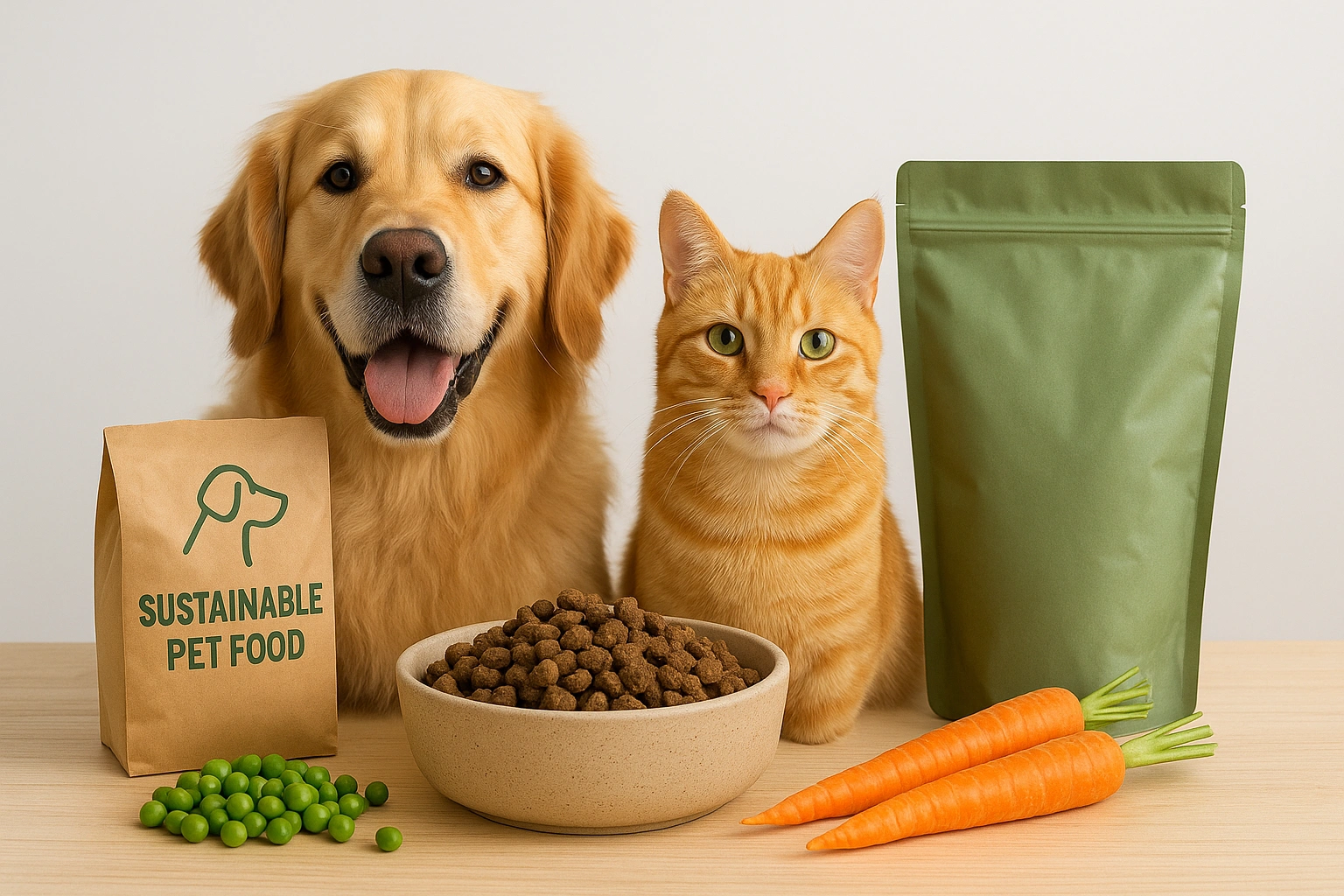
Nourish your pet and the planet with our deep dive into green nutrition for pets.
Introduction
Did you know that if America’s pets were their own country, they would rank 5th in global meat consumption? The environmental footprint of what we pour into our pets’ bowls is enormous. As we navigate 2025, the conversation around **sustainable pet food** has moved from the fringe to the forefront of responsible pet ownership. This guide is designed to empower you with the knowledge to make informed, eco-conscious decisions about your pet’s diet, ensuring their health and the planet’s well-being go hand-in-hand.
What is Sustainable Pet Food?
Sustainable pet food is a holistic approach to pet nutrition that considers the environmental and ethical impact of every ingredient, from farm to bowl. It goes beyond just the ingredient list to encompass sourcing, processing, packaging, and transportation. The goal is to create a product that is nutritionally complete for the pet while minimizing its carbon pawprint.
The movement is gaining serious momentum. According to the Pet Sustainability Coalition, a majority of pet owners are now actively looking for sustainable options and are willing to switch brands to find them. This consumer-driven trend is pushing innovation in areas like alternative proteins and eco-friendly packaging.
Why Green Nutrition for Pets Matters
Choosing a sustainable diet for your pet has a powerful ripple effect, benefiting ecosystems, animal welfare, and even your pet’s long-term health.
Dramatically Lower Environmental Impact
Traditional meat production is a leading driver of deforestation, water consumption, and greenhouse gas emissions. Sustainable alternatives like insect protein or plant-based diets require a fraction of the land and water, making them a powerful tool against climate change.
Promote Ethical and Humane Sourcing
Sustainable pet food often prioritizes animal welfare. This includes using free-range chicken, grass-fed beef, or fish certified by the Marine Stewardship Council (MSC). It ensures that the animals in the supply chain are treated humanely.
Enhance Your Pet’s Health
High-quality, sustainably sourced ingredients can offer superior nutrition. Alternative proteins are often hypoallergenic, making them ideal for pets with food sensitivities. For more on eco-friendly pet care, see our guide to the best eco-friendly cat litter.
The Key Components of Sustainable Pet Food
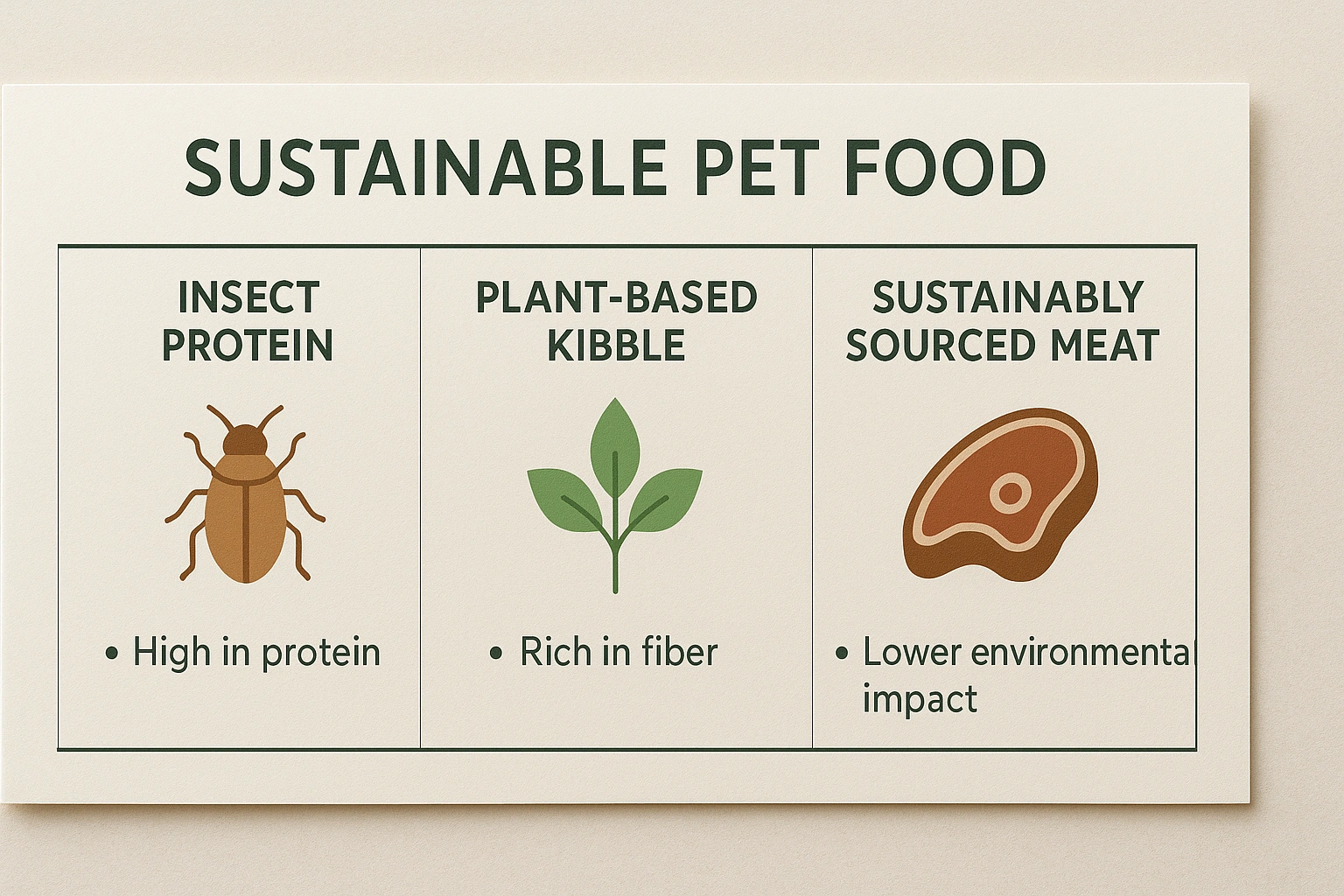
What should you look for when choosing a green food for your pet? It boils down to three core areas.
1. Sustainable Ingredients: This is the heart of the matter. It includes alternative proteins (insects, yeast), sustainably farmed fish, and plant-based ingredients.
2. Eco-Friendly Packaging: The best brands use recyclable, compostable, or refillable packaging to minimize landfill waste.
3. Ethical Operations: Look for companies that are transparent about their supply chain, have a low carbon footprint, and hold certifications like B Corp status.
Product Review: “Chirp & Cultivate” Insect-Based Kibble
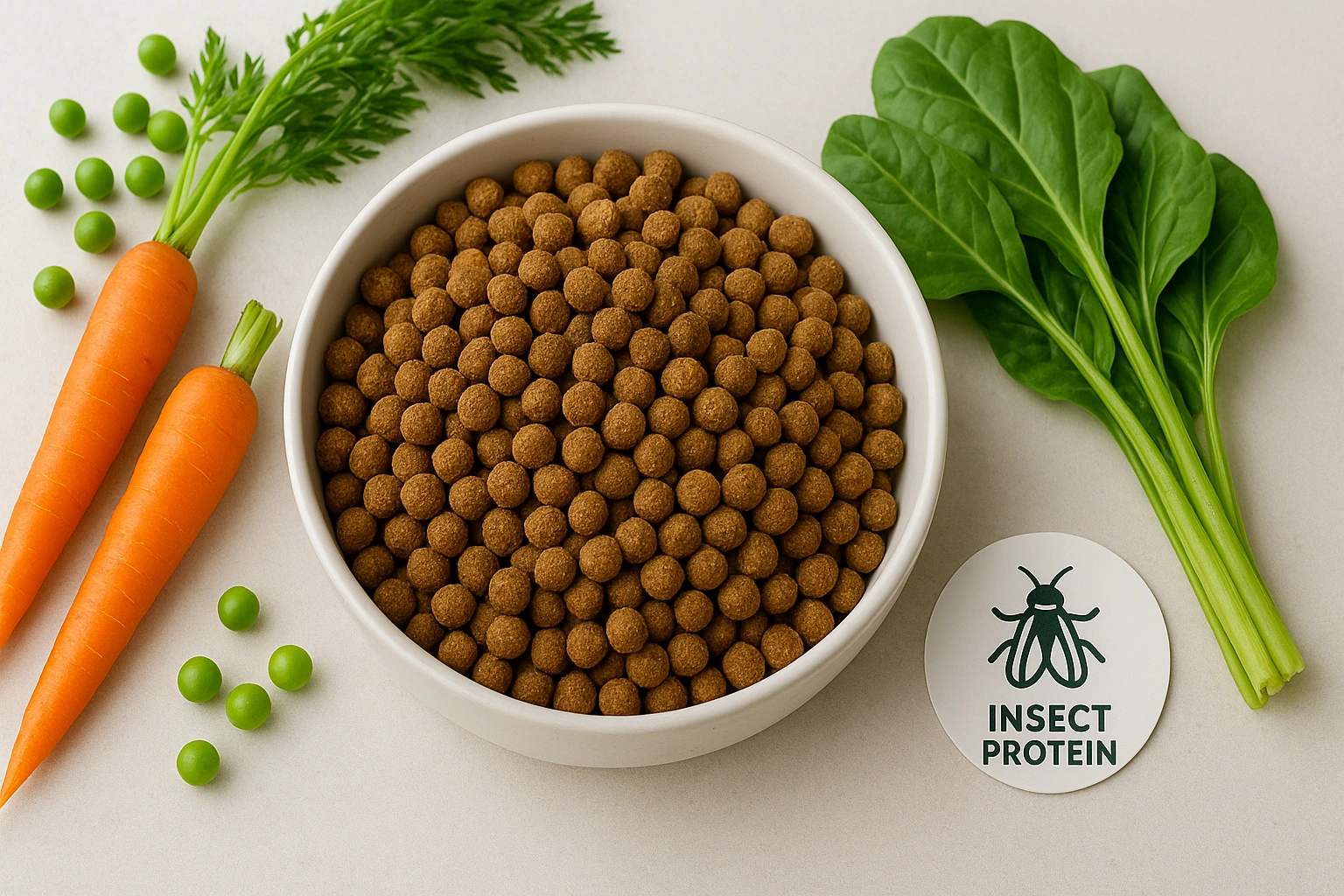
I switched my golden retriever to a hypothetical (but representative) brand called “Chirp & Cultivate,” which uses black soldier fly larvae as its primary protein source. The transition was seamless; he loved the taste from day one.
The kibble looked and smelled just like traditional food. The most significant change was in the packaging—it came in a paper-based, compostable bag. After a month, his energy levels were high, and his coat was shiny. Knowing his meals weren’t contributing to deforestation was a huge plus.
| Pros | Cons |
|---|---|
| Extremely low environmental impact. | Higher price point than budget kibble. |
| Hypoallergenic and highly digestible. | Not yet available in all pet stores. |
| Compostable packaging. | The “ick factor” can be a mental hurdle for some owners. |
Comparison: Types of Sustainable Pet Food
The world of green pet nutrition is diverse. Here’s how the main categories stack up.
| Food Type | Key Protein Source | Pros | Cons | Best For |
|---|---|---|---|---|
| Insect-Based | Black soldier fly larvae, crickets | Lowest footprint, hypoallergenic | Higher cost, owner perception | Maximum eco-impact reduction |
| Plant-Based (Vegan) | Yeast, peas, lentils | Very low footprint, ethical | Requires careful formulation (especially for cats) | Dogs with meat allergies |
| Sustainably Sourced Fish | MSC-certified cod, pollock | Excellent nutrition, protects oceans | Risk of heavy metals, higher cost | Pets needing omega-3s |
| Ethically Farmed Meat | Free-range chicken, grass-fed beef | High welfare standards, familiar | Still has a high carbon footprint | Owners transitioning to sustainability |
Common Mistakes to Avoid When Shopping
Don’t let good intentions go to waste. Avoid these common errors.
- Falling for “Natural” Claims: This term is unregulated. Look for specific, verifiable claims like “grass-fed” or “MSC-certified.”
- Ignoring the Packaging: A sustainable food in a non-recyclable, multi-layer plastic bag defeats half the purpose.
- Switching Food Too Quickly: Transition your pet to any new food gradually over 7-10 days to avoid digestive upset.
- Assuming All Plant-Based Diets are Safe: While great for many dogs, a vegan diet for cats must be expertly formulated to include synthetic taurine, as they cannot produce it themselves.
Expert Tips & Best Practices
We spoke with a veterinary nutritionist about making the switch.
“The future of pet food is sustainable, but it must be rooted in science. Always choose a food that meets AAFCO standards for nutritional completeness, regardless of the protein source. Your pet’s health must always be the top priority.”
— Dr. Chloe Bennett, DVM
Top 5 Expert Tips:
- Check for AAFCO Approval: Ensure the food is labeled “complete and balanced” according to AAFCO (Association of American Feed Control Officials) guidelines.
- Start with Samples: Many brands offer sample sizes so you can test if your picky eater will like the new food before committing to a large bag.
- Calculate Your Pet’s Footprint: Use an online calculator to understand the impact of your pet’s current diet. It can be a powerful motivator.
- Support Local When Possible: A local brand that uses responsibly farmed ingredients might have a lower transportation footprint than a national one.
- Don’t Forget Water: Use a water filter instead of bottled water for your pet’s bowl to reduce plastic waste.
Frequently Asked Questions (FAQ)
Q: Is insect-based pet food actually healthy for dogs and cats?
A: Yes, insect protein is a complete and highly digestible protein source that contains all the essential amino acids dogs and cats need. It’s also a great hypoallergenic option for pets with sensitivities to common proteins like chicken or beef.
Q: What is the most sustainable type of pet food?
A: Currently, pet food made from insect protein or sustainably sourced plant-based ingredients has the lowest environmental footprint. They require significantly less land, water, and feed than traditional livestock farming.
Q: How can I tell if a pet food brand is truly sustainable?
A: Look for third-party certifications like B Corp, Marine Stewardship Council (MSC) for seafood, and clear information about their ingredient sourcing and packaging. Vague terms like ‘natural’ are often not enough.
Q: Is it more sustainable to make my own pet food?
A: While homemade food can reduce packaging waste, it’s extremely difficult to create a nutritionally complete and balanced diet without veterinary guidance. An imbalanced diet can be very harmful to your pet. It’s often more sustainable and safer to support a certified eco-friendly brand.
Q: What should I look for in sustainable pet food packaging?
A: Look for bags made from mono-materials (like #2 or #4 plastics) which are more easily recycled. Better yet, choose brands that use compostable packaging or participate in take-back programs like TerraCycle.
Conclusion
Choosing **sustainable pet food** is one of the most impactful decisions an eco-conscious owner can make. By prioritizing innovative proteins, ethical sourcing, and responsible packaging, you can provide excellent **green nutrition for pets** that aligns with your values. The journey starts with a single bowl. Make it count. For more tips on building a sustainable life with your pets, explore our resources at weton.biz.id.