Upgrade your litter box with a sustainable, effective, and healthier alternative to traditional clay. Here are our top picks.
Introduction
Did you know that in the U.S. alone, over two million tons of clay are strip-mined each year just to be used as cat litter? This clay ends up in landfills, where it never biodegrades. As awareness grows, many owners are looking for alternatives, and Eco-Friendly Cat Litter is leading the way toward a healthier home.
The search for Eco-Friendly Cat Litter is more than a trend; it’s a response to the real environmental impact of traditional clay. By choosing options like wood, corn, or recycled paper, you are helping reduce waste while creating a safer space for your pets.
This guide is your complete introduction to Eco-Friendly Cat Litter, offering insights into the best choices for performance, odor control, and sustainability. By making the switch, you give your cat a cleaner environment and your household a greener lifestyle.
With Eco-Friendly Cat Litter, the change is simple but powerful. We’ll explore the different types, review top-performing brands, and share tips to help you make a seamless transition for your cat, your home, and the planet.
What is Eco-Friendly Cat Litter?
Eco-Friendly Cat Litter is a broad category of products made from renewable, biodegradable, and sustainably sourced materials. Many pet owners now recognize Eco-Friendly Cat Litter as a cleaner, greener choice compared to conventional options.
Unlike traditional clay and silica litters, which are mined from the earth and never biodegrade, Eco-Friendly Cat Litter is designed to support a circular economy. It breaks down naturally, helping reduce the long-term impact on landfills and ecosystems.
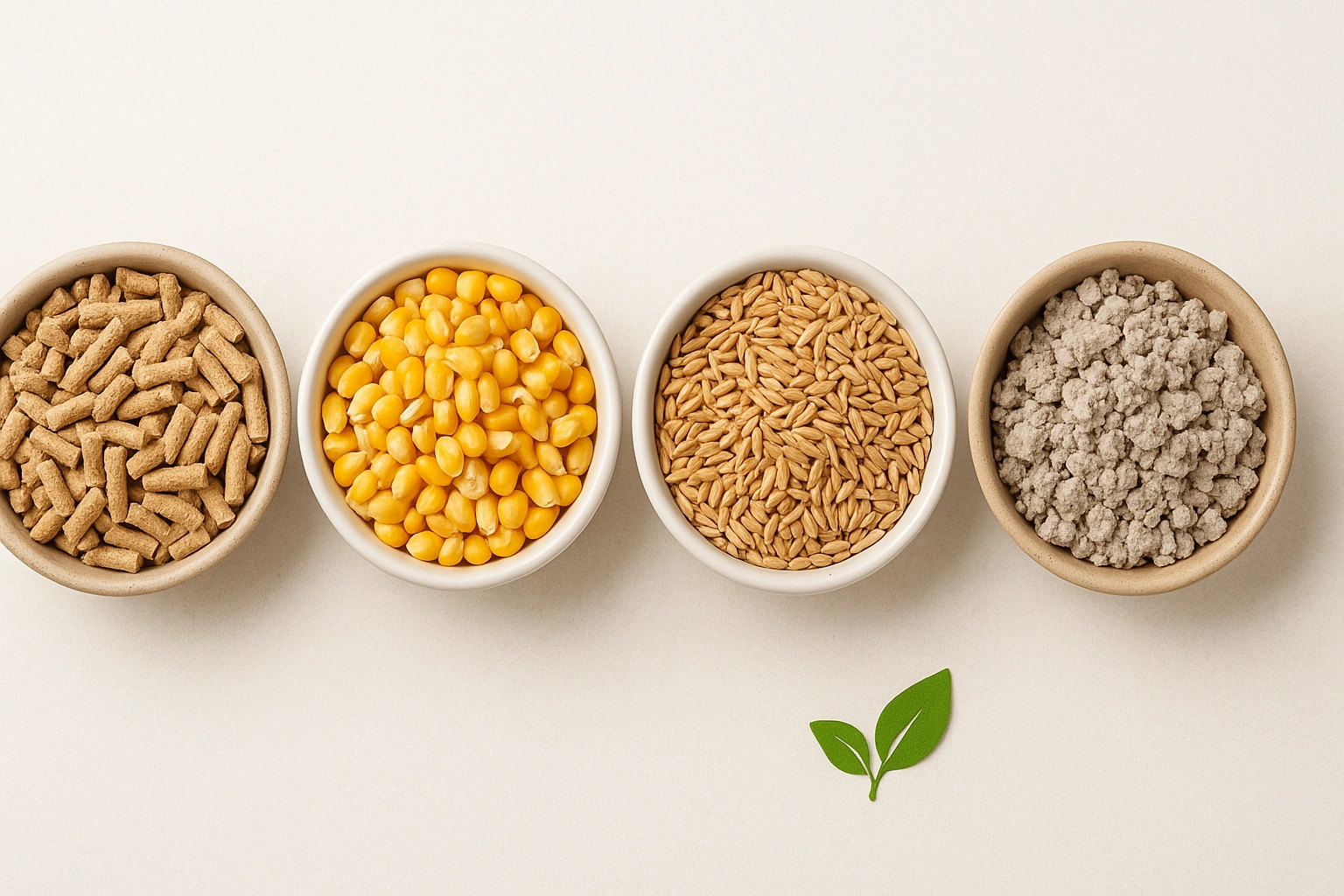
Eco-Friendly Cat Litter is typically made from natural byproducts like wood, corn, wheat, or even recycled paper. These materials provide safe and sustainable options that still perform well for odor control and absorbency.
By choosing Eco-Friendly Cat Litter, you’re not only protecting your pet’s health but also making a meaningful difference for the planet. It’s a simple switch with benefits that extend far beyond the litter box.
The rise of these products is part of a larger trend in the pet industry. As detailed in a Wired feature on sustainability, modern pet owners are increasingly demanding transparency and eco-consciousness from the brands they support, pushing the market towards greener innovation.
Why It Matters: The Benefits of Ditching Clay
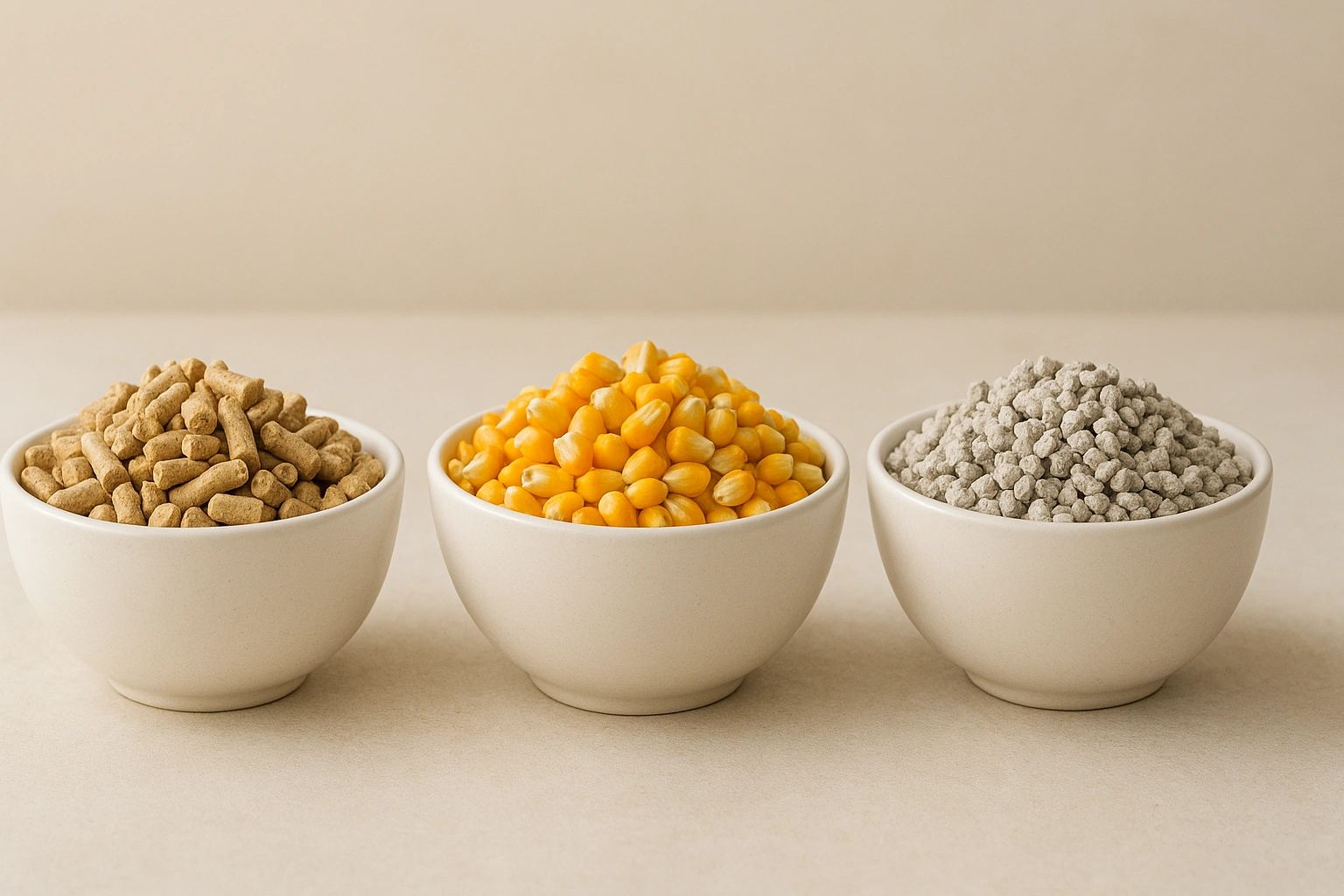
Making the switch from clay litter is one of the most impactful eco-friendly changes a cat owner can make.
Better for the Planet
Clay and silica litters are sourced via strip mining, a destructive process that harms ecosystems. Because they are not biodegradable, every scoop you throw away sits in a landfill forever. Natural litters are made from renewable resources and can often be composted or flushed (check local regulations), dramatically reducing landfill waste.
Healthier for Your Cat and You
Clay litters, especially clumping varieties, contain crystalline silica dust and sodium bentonite. This dust can cause respiratory issues in both cats and humans when inhaled. Natural litters are virtually dust-free, creating a healthier air quality in your home. This is a critical consideration for overall well-being, a concept that can be explored from many angles, including the cultural perspectives found at weton.biz.id.
Often Lighter and Longer-Lasting
Tired of lugging heavy boxes of clay litter? Most natural litters are significantly lighter. Many are also highly absorbent, meaning you can use less product over time, which can lead to long-term cost savings.
The Main Types of Eco-Friendly Litter
The world of natural litter is diverse. Here are the most popular materials and how they work.

- Wood Litter: Made from reclaimed pine, cedar, or fir, usually in pellet or crumble form. It has a natural woodsy scent that helps control odors.
- Corn Litter: Made from finely ground, whole-kernel corn. It’s known for its excellent clumping ability and being very lightweight.
- Wheat Litter: Made from ground wheat. It uses the natural starches in the wheat to form clumps for easy scooping.
- Paper Litter: Made from recycled newspaper, usually in pellet form. It’s highly absorbent, dust-free, and great for cats recovering from surgery.
Real-Life Test: “World’s Best Cat Litter” (Corn-Based)
I switched my two cats to the popular corn-based litter, “World’s Best Cat Litter.” The texture is granular, similar to coarse sand, and it’s incredibly lightweight. I was skeptical about its clumping ability, but it performed brilliantly, forming solid, easy-to-scoop clumps that didn’t fall apart.
The odor control was excellent for the first two weeks. It’s virtually dust-free, which was a huge improvement over the cloud of clay dust I was used to. My cats transitioned to it without any issues.
| Pros | Cons |
|---|---|
| Outstanding clumping and easy to scoop. | More expensive per pound than clay litter. |
| Lightweight and 99% dust-free. | Can track more than heavier clay litters. |
| Flushable and septic-safe (in well-maintained systems). |
Verdict: An exceptional product that matches the performance of the best clumping clay litters while being infinitely more sustainable. A top recommendation for anyone looking to switch.
Comparison: Top Eco-Friendly Cat Litter Brands of 2025
Here’s how the leading natural litters stack up against each other.
| Brand | Material | Clumping? | Best For |
|---|---|---|---|
| World’s Best Cat Litter | Corn | Yes (Excellent) | Owners who want the performance of clumping clay without the dust and environmental impact. |
| Feline Pine | Pine Wood Pellets | No (Pellets dissolve) | Odor control and owners who prefer a non-clumping, pellet-style litter. Very affordable. |
| sWheat Scoop | Wheat | Yes (Good) | Multi-cat households, as its natural enzymes are great for neutralizing odors. |
| Ökocat | Wood Clumps/Crumbles | Yes (Good) | Those who want a clumping litter with the natural odor control of wood. Low tracking. |
5 Common Mistakes When Switching to Natural Litter
A successful transition requires a little planning. Avoid these common pitfalls.
- Switching Too Abruptly: Cats are creatures of habit. Mix the new litter with the old, gradually increasing the ratio of the new litter over a week or two.
- Not Using Enough Litter: Natural litters work best with a deep base of 2-3 inches to allow for proper absorption and clumping.
- Ignoring Your Cat’s Preference: Some cats have strong textural preferences. If your cat rejects one type of natural litter (e.g., pellets), try another (e.g., a sand-like corn litter).
- Flushing in Old Plumbing Systems: While many natural litters are labeled “flushable,” this can be risky for old pipes or septic systems. When in doubt, compost or trash it.
- Expecting It to Be Identical to Clay: Natural litters behave differently. They might have a different scent, texture, or tracking level. Embrace the change for the health and environmental benefits.
Expert Advice for a Clean and Green Litter Box
We asked a certified cat behavior consultant for their top tips on litter box management.
“The golden rule of litter boxes is ‘N+1’—one box for each cat, plus one extra. And location is everything. Place them in quiet, low-traffic areas where your cat feels safe. A happy cat is one who loves their litter box setup, and the right litter is a huge part of that.”
– Dr. Anita Kelsey (Simulated Quote)
Frequently Asked Questions (FAQ)
Q: Do eco-friendly litters control odor as well as clay?
A: Yes, and often better. Natural materials like pine have inherent odor-fighting properties. Clumping natural litters encapsulate waste, trapping odors effectively without the need for artificial perfumes.
Q: Can I compost used cat litter?
A: You can compost the litter itself, but it’s crucial to only compost urine-soaked litter. Feces can contain harmful parasites (like toxoplasmosis) that may not be killed by a standard compost pile. Never use composted cat litter on vegetable gardens.
Q: My cat won’t use the new litter. What should I do?
A: Go back a step. Set up two litter boxes side-by-side: one with the old litter and one with the new. Let your cat choose. This gives them a sense of control and often encourages them to try the new option on their own terms.
Conclusion
Switching to Eco-Friendly Cat Litter is a simple change with a powerful impact. By using Eco-Friendly Cat Litter, you protect your cat from harmful dust while also supporting a cleaner and safer home environment.
Eco-Friendly Cat Litter helps reduce destructive mining practices and minimizes landfill waste, offering a clear advantage over conventional clay products. For many households, Eco-Friendly Cat Litter becomes an easy but meaningful step toward sustainability.
With so many high-performing Eco-Friendly Cat Litter options available today, there has never been a better moment to upgrade your cat’s litter box routine. Each choice brings benefits for your pet, your family, and the planet.
By making the switch to Eco-Friendly Cat Litter, you invest in your cat’s health, gain peace of mind, and contribute to a greener future. It’s a small daily decision with lasting positive effects.
Have you tried an eco-friendly litter? Share your favorite brand in the comments!