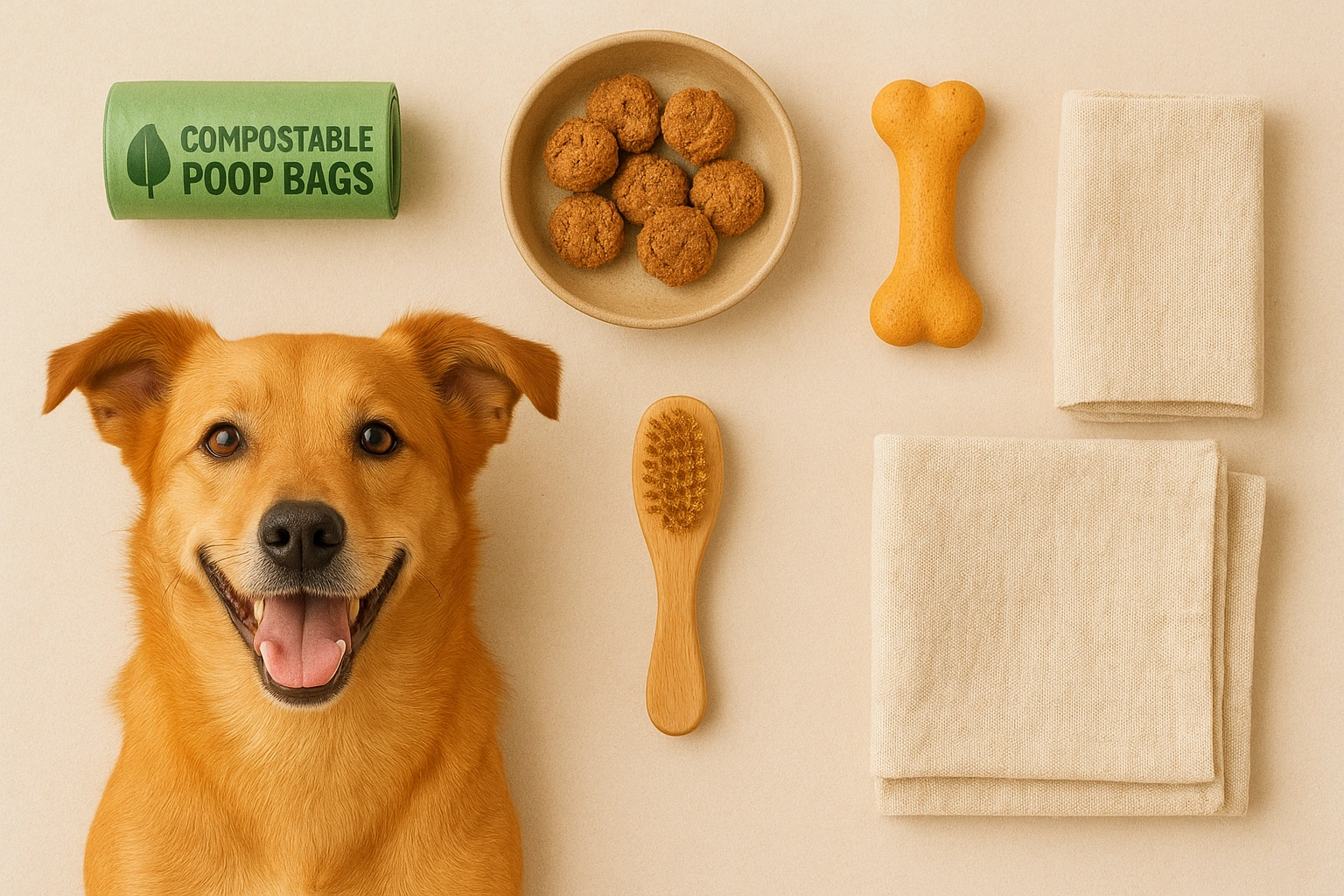
Ready to reduce your pup’s carbon pawprint? Discover actionable tips for a more sustainable life with your dog.
Introduction
Did you know that pets in the U.S. create more than 30 billion pounds of waste annually? In 2025, as awareness grows, many owners are realizing that zero waste pet care can drastically reduce this impact while keeping homes cleaner and healthier.
As we look closer at the carbon pawprints of our furry companions, zero waste pet care offers simple yet powerful steps that make a difference. It’s not about perfection but progress, where every small switch matters.
Shifting towards zero waste pet care is more than a trend—it’s a conscious lifestyle choice that balances sustainability with your dog’s happiness. From food to toys, each decision helps reduce landfill waste and promotes healthier living.
This guide provides a practical roadmap, showing how zero waste pet care empowers you with actionable tips and sustainable swaps so you can create lasting change—one paw at a time.
What is Zero Waste Pet Care?
While some eco-friendly products have a higher upfront cost, the zero waste pet care mindset emphasizes reusing and reducing consumption, which leads to significant savings over time.
Making your own treats is one of the simplest zero waste pet care practices, allowing you to control ingredients while avoiding unnecessary packaging.
Choosing durable toys that last longer also fits perfectly with zero waste pet care, since it reduces the need for frequent replacements and minimizes waste.
Using reusable grooming supplies ties the idea of zero waste pet care together, cutting down on recurring expenses while promoting a more sustainable routine.
The relevance of this movement has skyrocketed. As of 2025, consumers are increasingly demanding sustainable options, and the pet industry is slowly responding. According to a report by the Pet Sustainability Coalition, a growing number of pet owners are willing to switch brands for more sustainable alternatives. This shift indicates a powerful trend toward eco-conscious pet ownership, making sustainable dog care more accessible than ever.

Why Sustainable Dog Care Matters
Adopting a low-impact approach through zero waste pet care offers benefits that extend far beyond just reducing landfill waste.
By embracing zero waste pet care, you create a positive ripple effect that supports the planet, your wallet, and your dog’s overall well-being.
Zero waste pet care also encourages mindful choices, showing that sustainable habits can bring long-term value for both owners and pets.
In the end, zero waste pet care is about balance, making simple changes that protect the environment while keeping your dog healthy and happy.
Reduce Your Carbon Pawprint
Every product we buy has an environmental cost, from manufacturing to disposal. By choosing sustainable options, you directly lower your dog’s impact. This includes everything from reducing plastic packaging to managing pet waste, which can contaminate waterways with harmful bacteria.
Promote a Healthier Lifestyle for Your Dog
Many conventional pet products contain plastics, synthetic chemicals, and artificial ingredients. Zero waste alternatives often prioritize natural, non-toxic materials.
- DIY Treats: Control the ingredients and avoid preservatives.
- Natural Toys: Opt for materials like hemp or natural rubber instead of plastic.
- Chemical-Free Grooming: Use gentle, biodegradable shampoos.
This focus on natural products can lead to better health for your dog, reducing exposure to potential allergens and toxins. For those with other pets, exploring options like the best eco-friendly cat litter follows the same principle of choosing healthier, sustainable alternatives.
Save Money in the Long Run
While some eco-friendly products have a higher upfront cost, the Zero Waste Pet Care mindset emphasizes reusing and reducing consumption, which leads to significant savings over time.
Making your own treats is one of the simplest Zero Waste Pet Care practices, allowing you to control ingredients while avoiding unnecessary packaging.
Choosing durable toys that last longer also fits perfectly with Zero Waste Pet Care, since it reduces the need for frequent replacements and minimizes waste.
Using reusable grooming supplies ties the idea of Zero Waste Pet Care together, cutting down on recurring expenses while promoting a more sustainable routine.
Key Areas of Zero Waste Pet Care
Breaking down the journey into manageable categories makes it much easier to start. Here are the core areas where you can make the biggest impact.
1. Sustainable Dog Food Choices
- Buy in Bulk: Purchase dry food from stores that offer bulk bins to eliminate packaging. Bring your own reusable container.
- Choose Sustainable Brands: Look for brands that use recyclable packaging (like TerraCycle programs) and source ingredients responsibly.
- Make Your Own Treats: Use kitchen scraps like sweet potato, carrots, or pumpkin to bake simple, package-free dog treats.
2. Eco-Friendly Dog Toys and Gear
- Prioritize Durability: Invest in high-quality, durable toys made from natural rubber, hemp, or recycled materials that won’t need frequent replacement.
- DIY Toys: Create your own toys from old t-shirts (braided ropes) or denim.
- Secondhand Gear: Look for gently used leashes, collars, and beds at thrift stores or online marketplaces.
3. Zero Waste Grooming Routines
- Use Shampoo Bars: These eliminate the need for plastic bottles and last longer than liquid shampoos.
- DIY Grooming Products: A simple mix of water and baking soda can work as a gentle shampoo, while coconut oil is a great moisturizer for paws and noses.
- Choose Sustainable Tools: Opt for brushes with bamboo handles and natural bristles. Use a reusable cloth instead of disposable wipes for quick clean-ups.
4. Managing Dog Waste Sustainably
- Use Compostable Bags: Ensure the bags are certified compostable (not just “biodegradable,” which can be misleading).
- Install a Dog Waste Composter: For homeowners with a yard, specialized compost systems can safely break down pet waste, turning it into a nutrient-rich soil amendment for non-edible plants.
- Flush It (With Caution): Some municipal water treatment systems can handle pet waste. Check with your local authorities before flushing dog poop.
A Real-Life Example: Making DIY Sweet Potato Chews
To show how easy it is to start, I decided to make my own dog treats. Instead of buying a plastic-wrapped bag of chews, I bought one large sweet potato.
The Process:
- I preheated my oven to 250°F (120°C).
- I washed the sweet potato and sliced it into thin, 1/4-inch rounds.
- I arranged the slices on a baking sheet.
- I baked them for about 3 hours, flipping halfway through, until they were dry and chewy.
The result was a batch of healthy, single-ingredient treats my dog loved, with zero packaging waste.
| Pros | Cons |
|---|---|
| Completely package-free. | Takes several hours to prepare. |
| Controls all ingredients (no additives). | Shorter shelf life (store in fridge). |
| Extremely cost-effective. | Requires planning ahead. |
| Reduces food waste. | Not as convenient as store-bought. |
Comparison: Dog Waste Bag Options
Choosing the right poop bag is a common dilemma for eco-conscious owners. Here’s a breakdown of the options:
| Bag Type | Features | Pros | Cons | Best For |
|---|---|---|---|---|
| Standard Plastic | Made from polyethylene (fossil fuels). | Widely available, cheap. | Takes 500+ years to degrade, creates microplastics. | Not recommended for sustainable care. |
| Biodegradable | Contains additives to speed up breakdown. | Breaks down faster than standard plastic. | Often breaks into microplastics, needs specific conditions. | A marginal improvement, but not ideal. |
| Compostable | Made from plant materials (cornstarch). | Breaks down into organic matter in a compost environment. | Requires a composting facility or home system to break down properly. | The most sustainable option for waste disposal. |

Common Mistakes to Avoid
Transitioning to a zero-waste lifestyle has a learning curve. Avoid these common pitfalls:
- Falling for Greenwashing: Be wary of vague terms like “eco-friendly” or “natural.” Look for specific certifications (e.g., B Corp, certified compostable).
- Aiming for Perfection: Zero waste is a goal, not a strict rule. Don’t get discouraged if you can’t do everything at once. Every small swap makes a difference.
- Incorrectly Composting Dog Waste: Never add dog waste to a regular garden compost bin used for edible plants. It contains pathogens that require higher temperatures to kill.
- Buying Too Many “Eco” Gadgets: The goal is to reduce consumption, not replace all your current items with new “eco-friendly” versions. Use what you have first.
- Forgetting About the “Refuse” Rule: The most sustainable product is the one you don’t buy. Before purchasing a new toy or accessory, ask if your dog truly needs it.
Expert Tips & Best Practices
We spoke with a sustainability expert for their top advice on making your transition successful.
“The biggest impact comes from small, consistent changes. Start by swapping one disposable item for a reusable one, like using a reusable cloth for muddy paws instead of paper towels. Consistency is more powerful than perfection.”
— Dr. Anya Sharma, Veterinarian specializing in sustainable pet health.
Top 10 Expert Tips:
- Start with One Area: Don’t try to change everything overnight. Focus on food, toys, or waste first.
- Use What You Have: Finish your current bottle of shampoo or bag of treats before buying a zero-waste alternative.
- Connect with Local Suppliers: Find local pet food stores that offer bulk buying or source from local treat makers.
- Learn Basic DIY Recipes: A few simple recipes for treats and grooming products can drastically reduce waste.
- Perform a “Trash Audit”: Look at your pet-related trash for one week to identify your biggest sources of waste.
- Repair Before You Replace: Stitch up a torn toy or repair a cracked food bowl instead of buying new.
- Borrow or Rent: For items you only need occasionally, like a travel crate, consider borrowing from a friend.
- Educate Your Community: Share your tips with other dog owners at the park or online.
- Support Sustainable Businesses: Use your purchasing power to support brands that are genuinely committed to sustainability.
- Measure Your Progress: Celebrate your wins, whether it’s one less plastic bag used or a full month of homemade treats.
Frequently Asked Questions (FAQ)
Q: Is it really safe to compost dog poop?
A: Yes, but only in a dedicated pet waste composting system that reaches high enough temperatures to kill harmful pathogens. The resulting compost should only be used on non-edible plants and away from waterways.
Q: What is the most affordable way to start zero waste pet care?
A: The most affordable way is to focus on reducing and reusing. Make your own toys from old clothes, bake treats from kitchen scraps, and use what you already have before buying new “eco” products.
Q: Are bamboo dog toys a good sustainable option?
A: Bamboo is a fast-growing, sustainable resource, making it a great material for durable items like brush handles. For chew toys, ensure it’s 100% natural bamboo without toxic glues or finishes.
Q: How do I find out if my local area composts pet waste?
A: Check with your municipal waste management service. Most do not accept pet waste in their green bins, which is why home composting systems are the more common solution.
Q: Can I make my own dog food to be zero waste?
A: While making your own dog food can reduce packaging, it’s crucial to consult with a veterinarian first. Dogs have complex nutritional needs, and an imbalanced homemade diet can be dangerous.
Conclusion
Embracing zero waste pet care is a rewarding journey that deepens the bond with your dog while honoring your commitment to the planet. It’s not about achieving perfection overnight, but about making mindful, incremental changes. By rethinking your approach to food, toys, grooming, and waste, you can significantly reduce your dog’s environmental impact. Start small, celebrate your progress, and join a growing community of pet owners who are proving that sustainable dog care is not only possible but also beneficial for everyone. For more tips on sustainable living, check out our resources at weton.biz.id.